ISSN: 1689-6688
czwartek, 27 listopada 2008

ISSN: 1689-6688
czwartek, 27 listopada 2008

Who of you wasn’t here? Long time ago, when the gap between East and West Europe was still so huge, more than one of us came here to pick peppers, tomatoes, tulips and strawberries in order to invest earned guilders in education, make your bigger or smaller dreams come true and finally, delight in famous Dutch moral freedom. Today there are no guilders anymore, we changed our big dreams into bigger ones and the gap seems as if smaller.


Some kind of a drift pushes me forwards to this little, strange country; I had many little and bigger adventures in it and with it; I don’t like it and at the same time I do but the one feeling towards this flat as a board and rainy land is unchanging – respect.
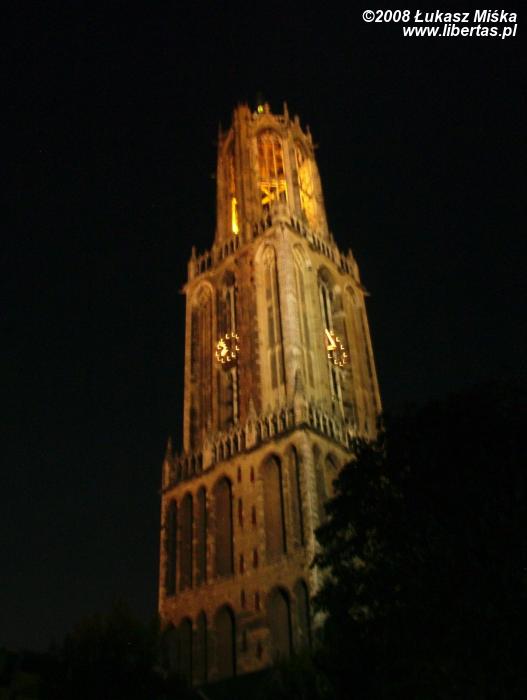
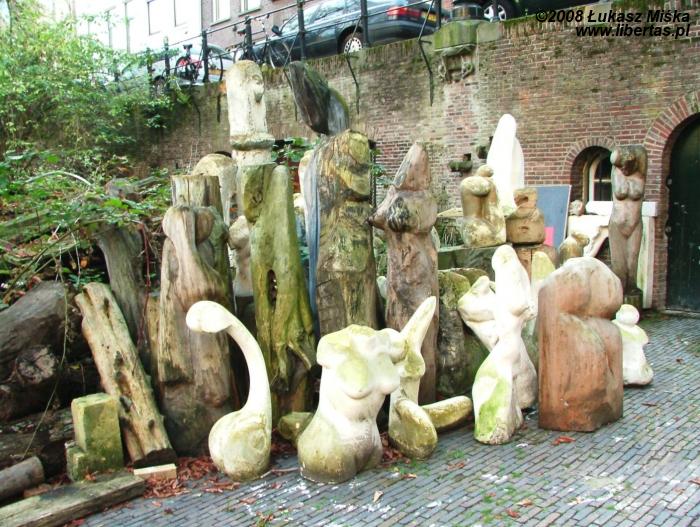
Hardly anyone knows its history and, after all, it wasn’t trouble-free. Dutchmen are the nation of merchants and farmers; when it comes to their mentality, they’re more like Greeks than Romans – it’s enough to take a look how every centimetre of their country is well-thought-out. It isn’t a German ‘ordnung’, where everything is in right place because it has to be like that and period. Holland is a conception, an idea for a little country situated between three large and avaricious ones – Germany, France and the bleak North Sea. With each of them it was able to maintain status quo and what’s more, it could even snatch something for itself from this relationship.
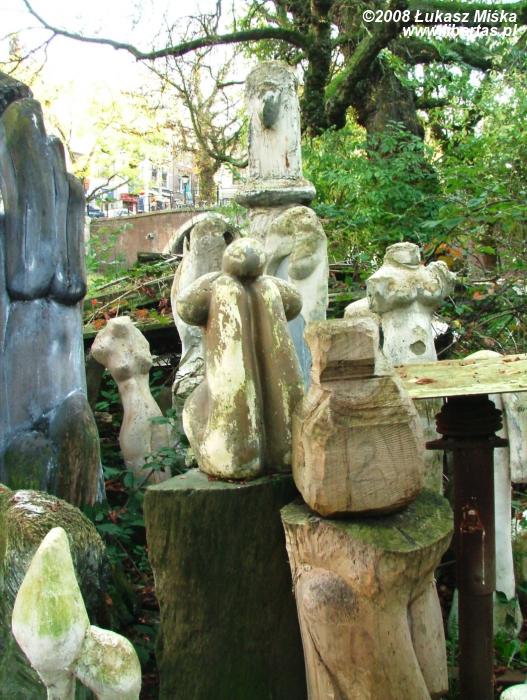
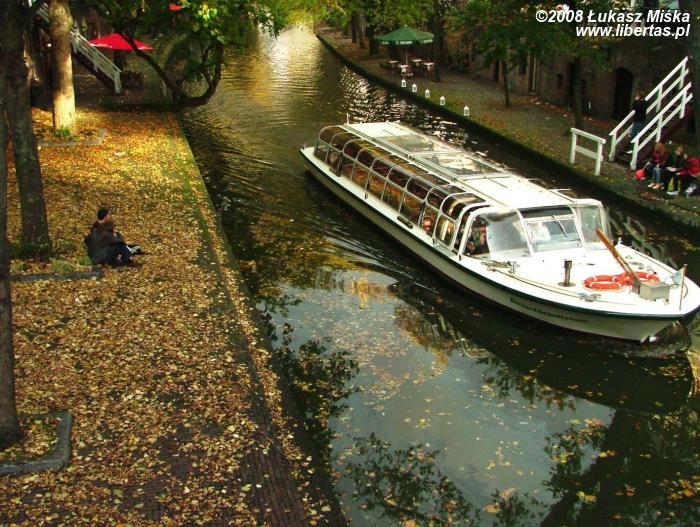
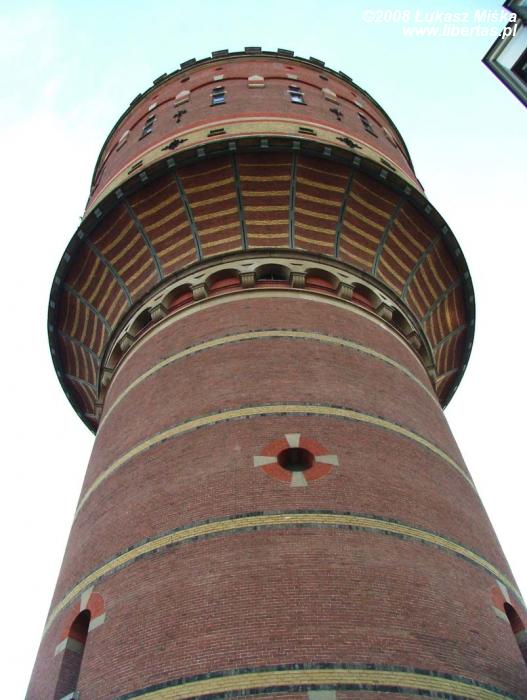
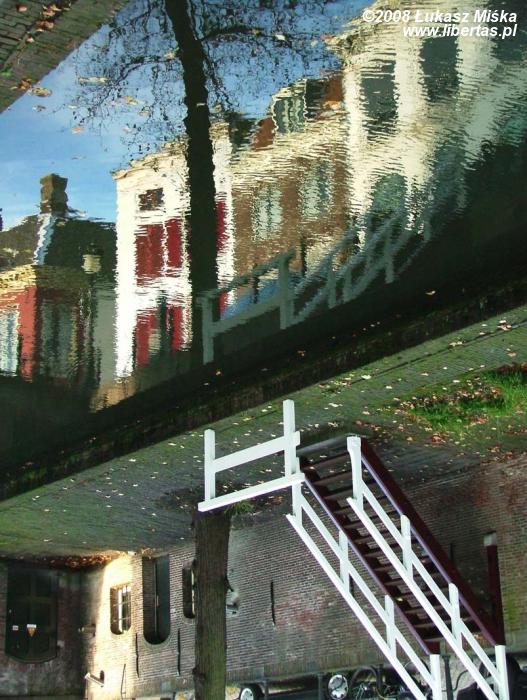


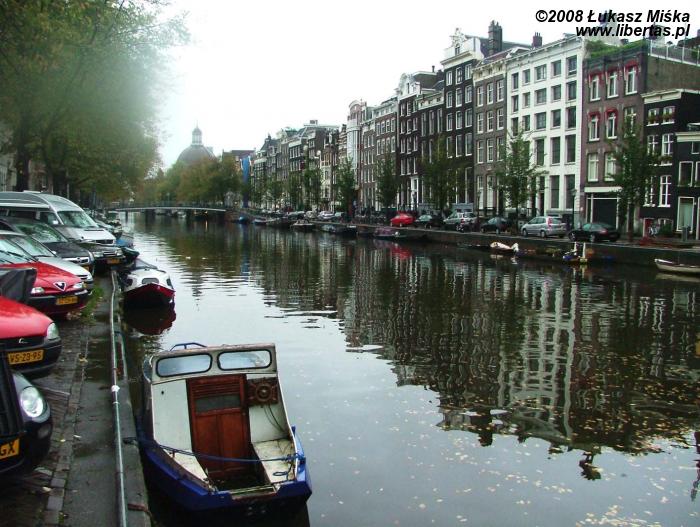
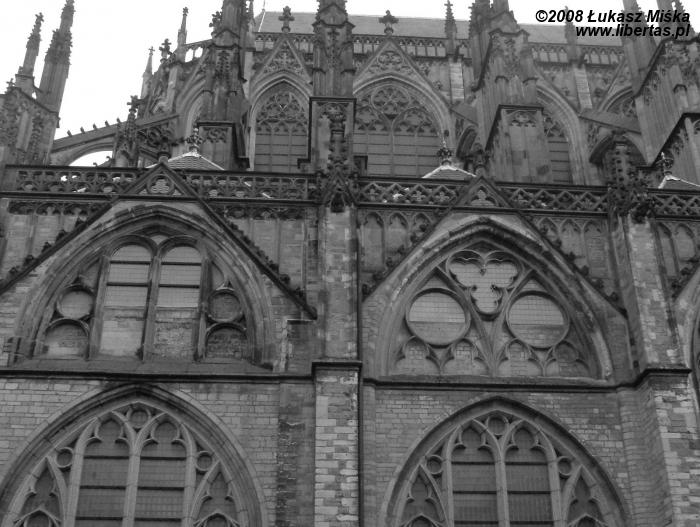
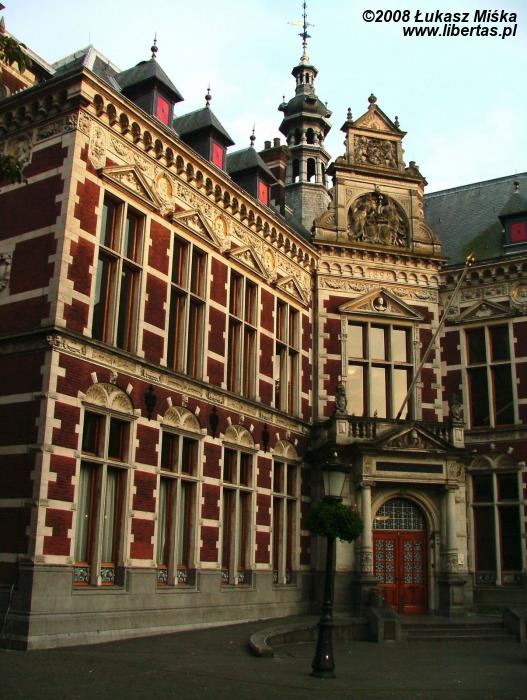
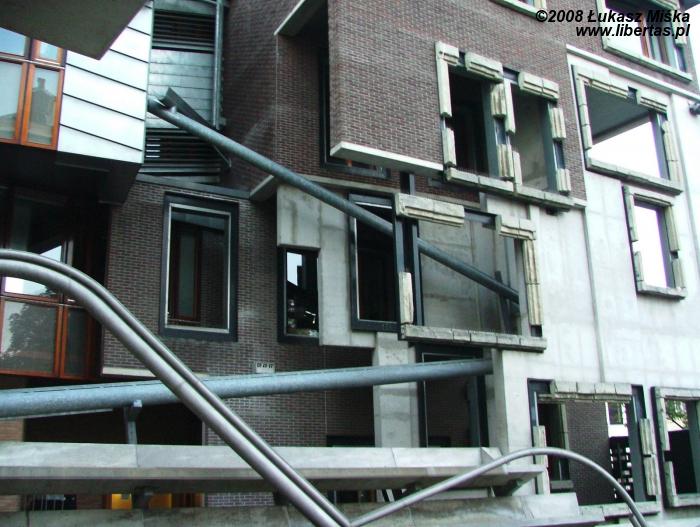
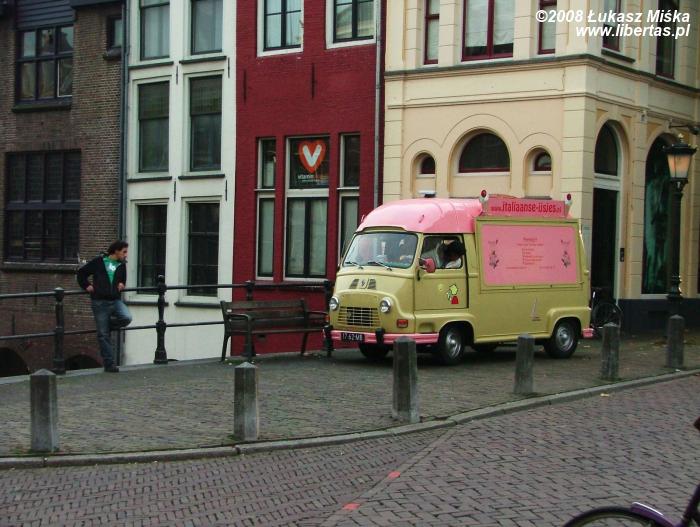
Probably every one of us heard about the eminent painters who were spawned by this country for centuries but it would be difficult to understand this phenomenon without having been in contact with the Dutch beauty. The first thing that strikes you, when you have a closer look at Holland, is its exceptional architecture – bold, geometrical and coloristic solutions which you won’t find in any other country and incredibly designed landscape (there’re no ‘wastelands’ here which of course have their charm but are blameworthy waste of space). Even their houses, which interiors can be seen by anyone through big, unshaded windows, are little interior-design works of art.
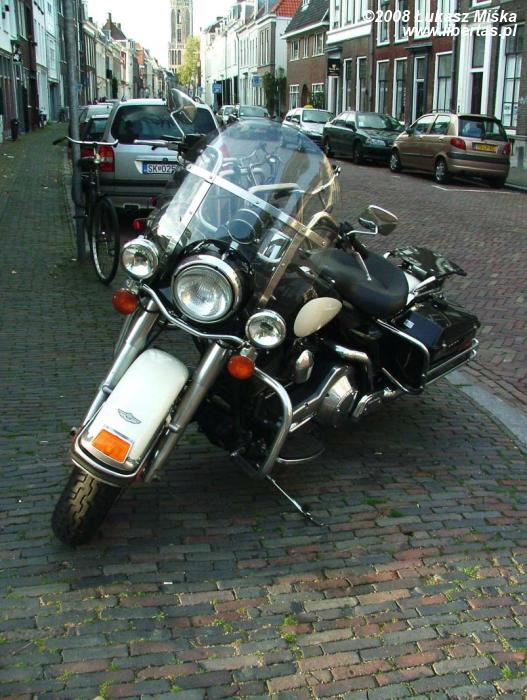
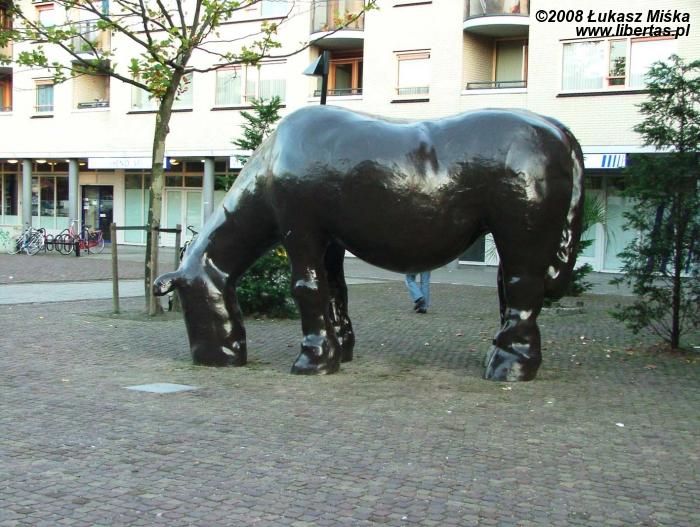
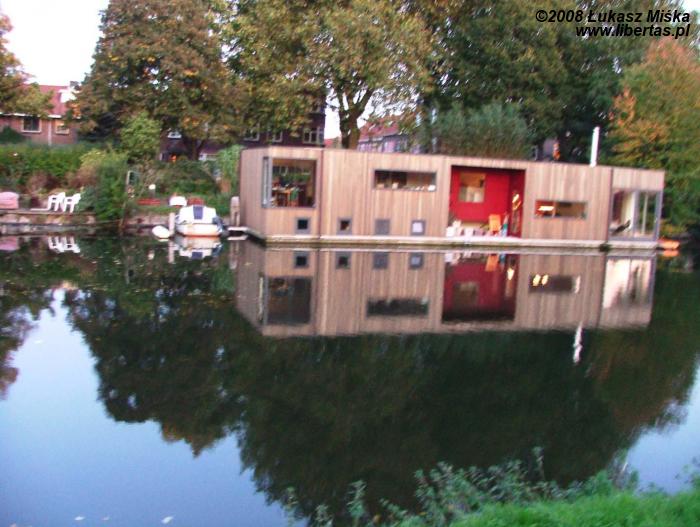
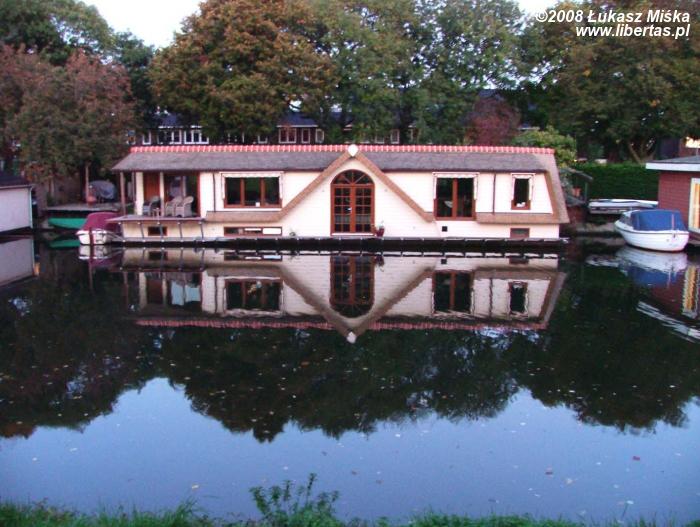
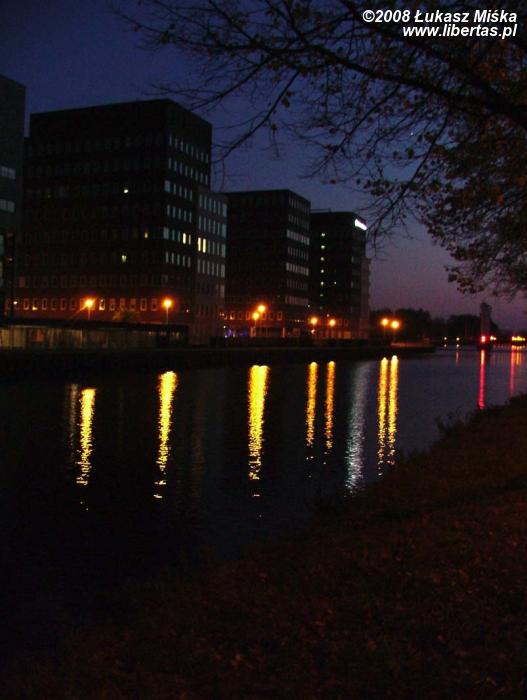
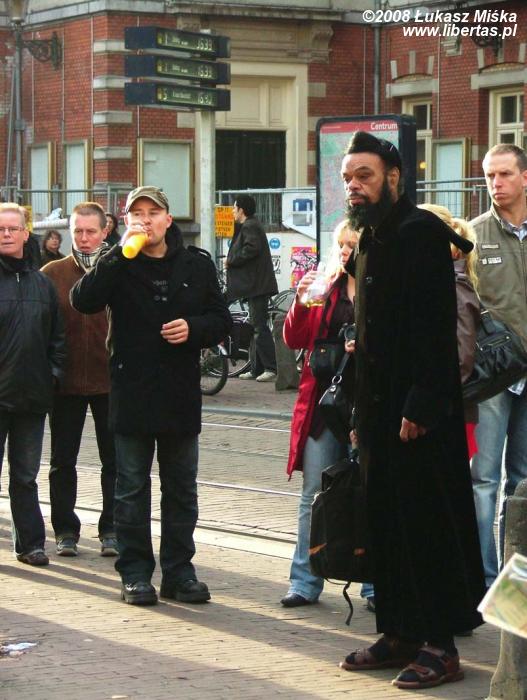
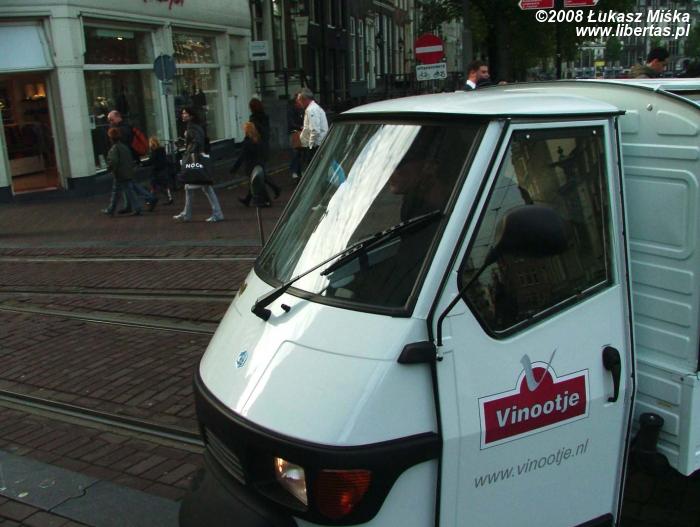
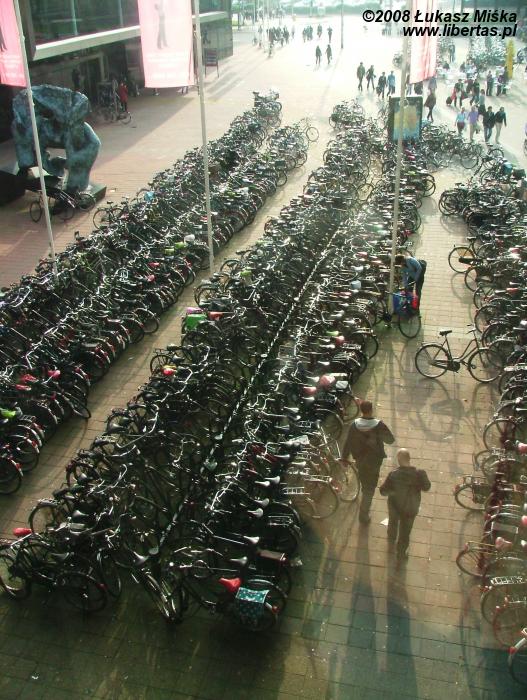
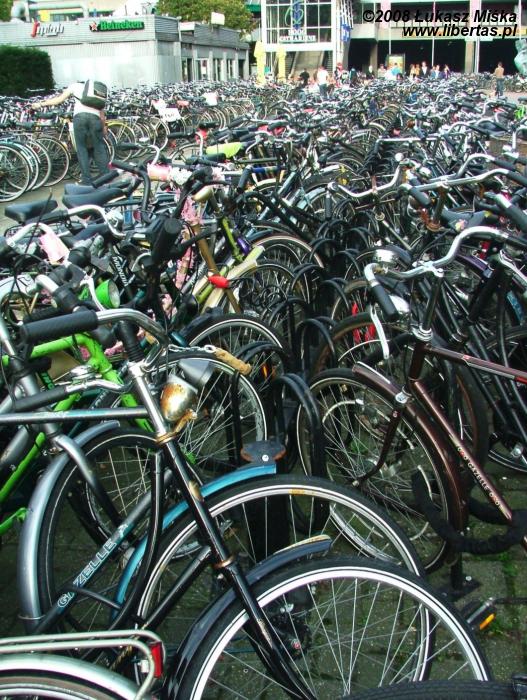
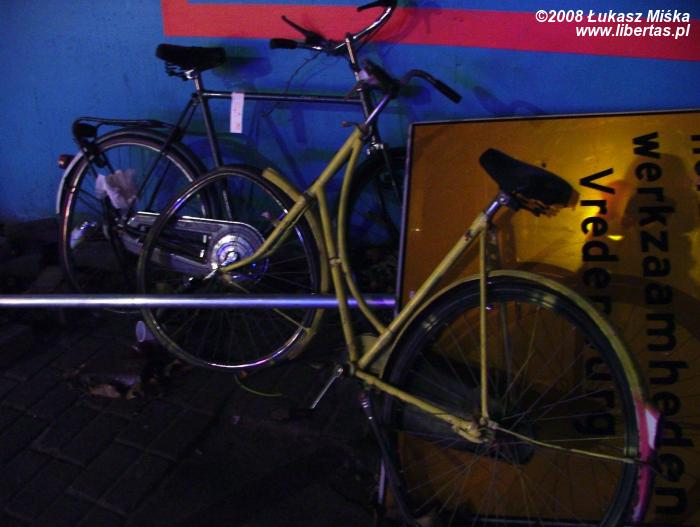
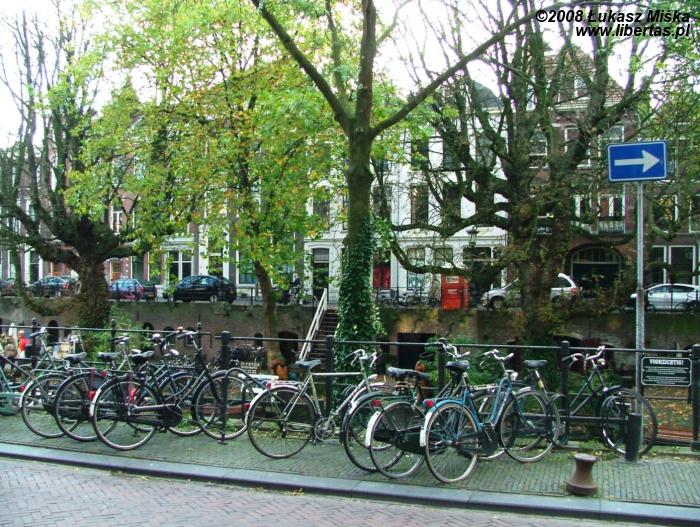
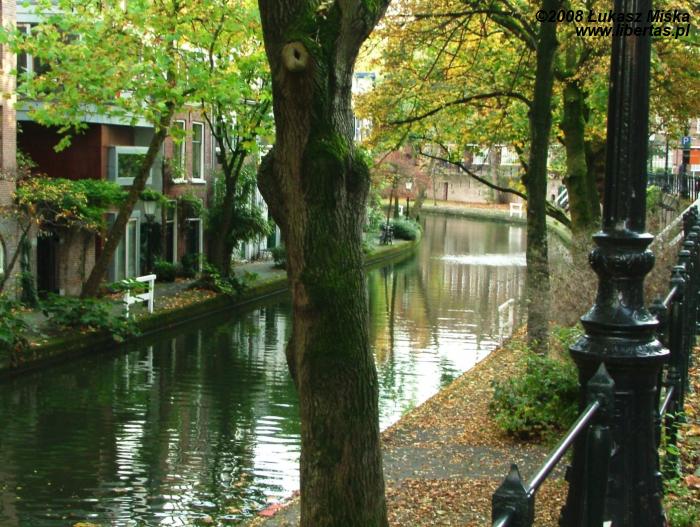
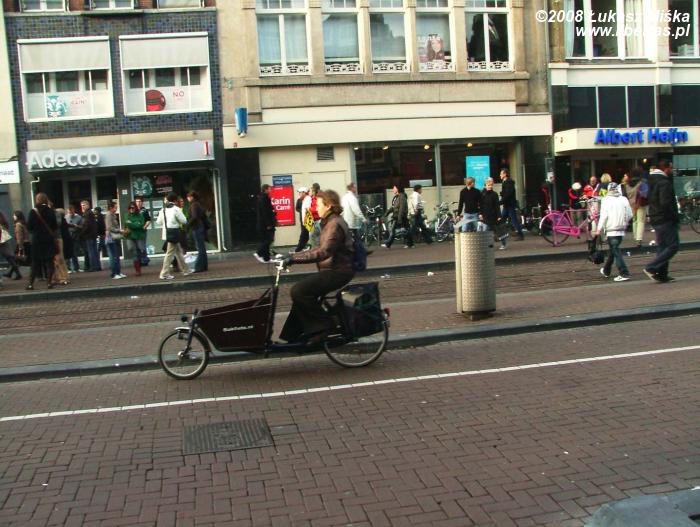
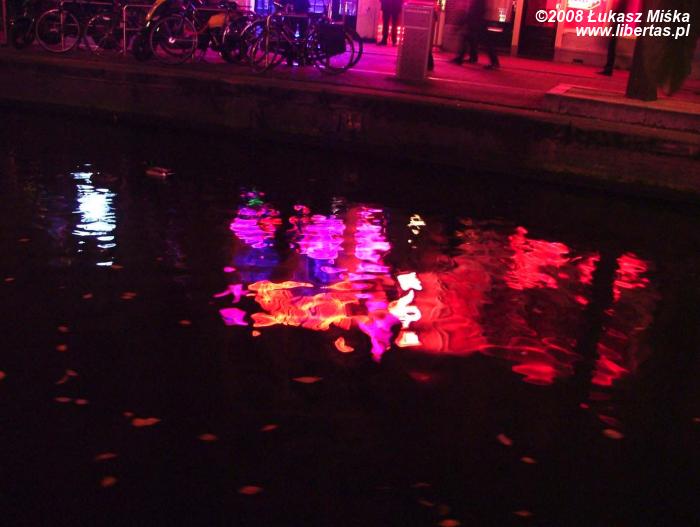
The another thing is pragmatism, e.g. it’s not easy to ignore bikes which are everywhere – you can tour the entire country while cycling without going round in circles or even stopping at the crossings; one can use them to get to work, to shop and, of course, to hit the road outside the town with your family. By use of the windmills they managed to drain numerous swamps. They are controlled by the endless network of canals through which runs the efficient water transport. Marinas for the residential barges stretch along the waterside in almost every city.
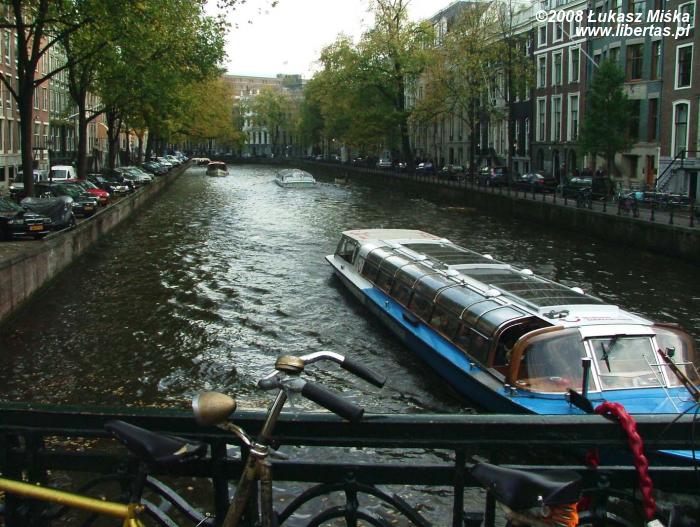

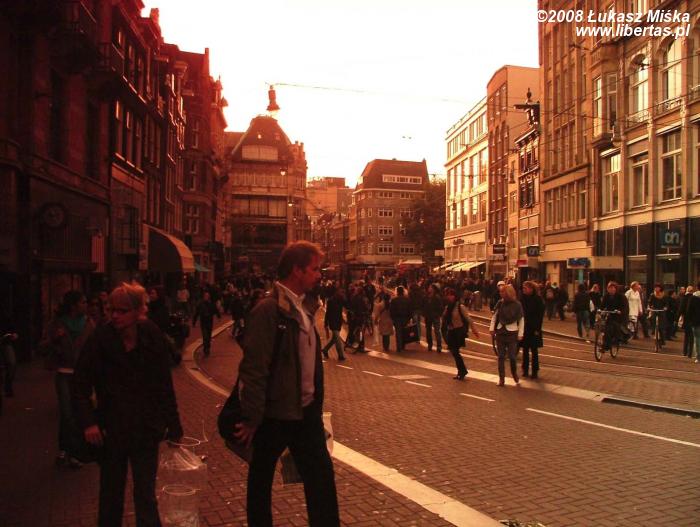

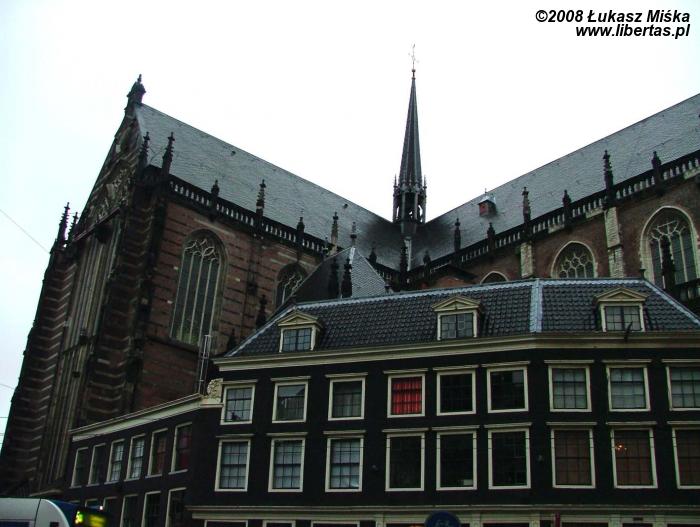
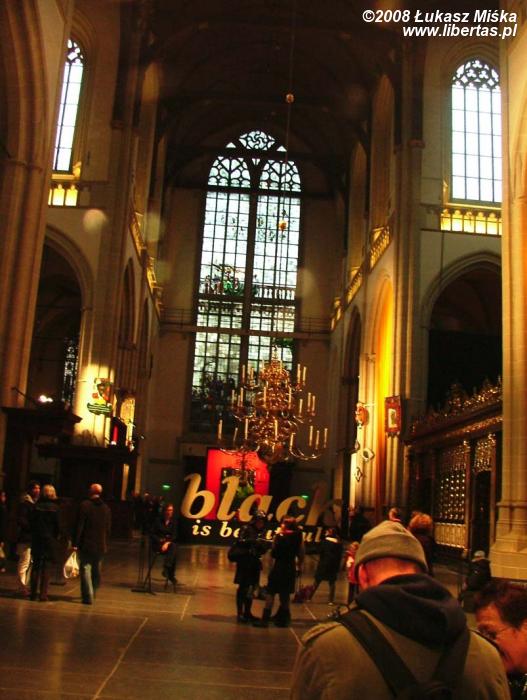
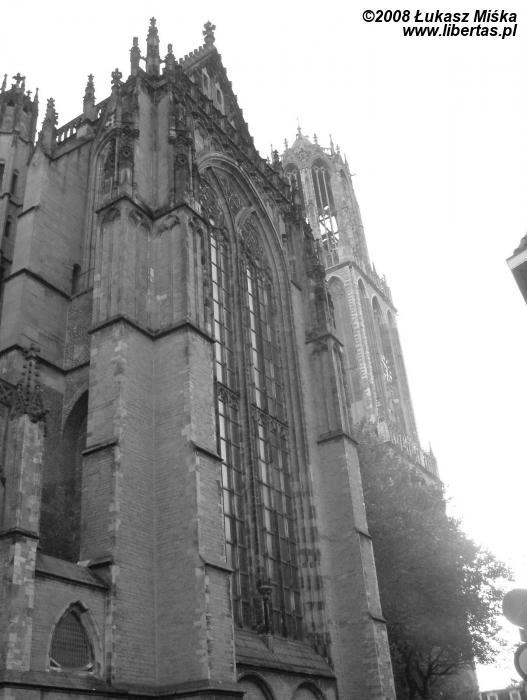
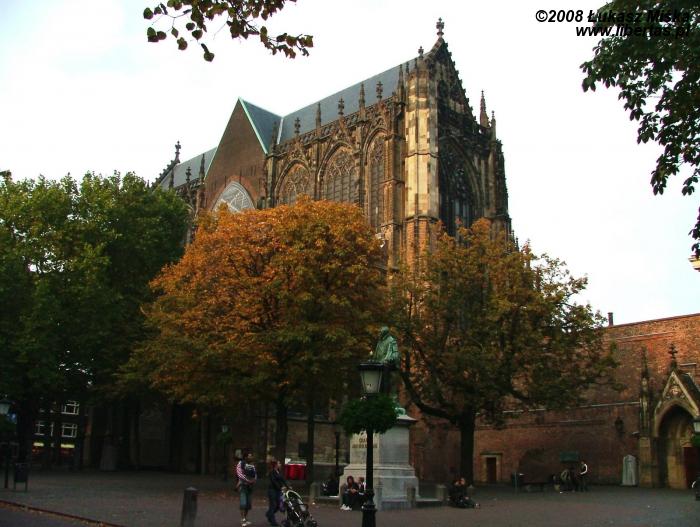
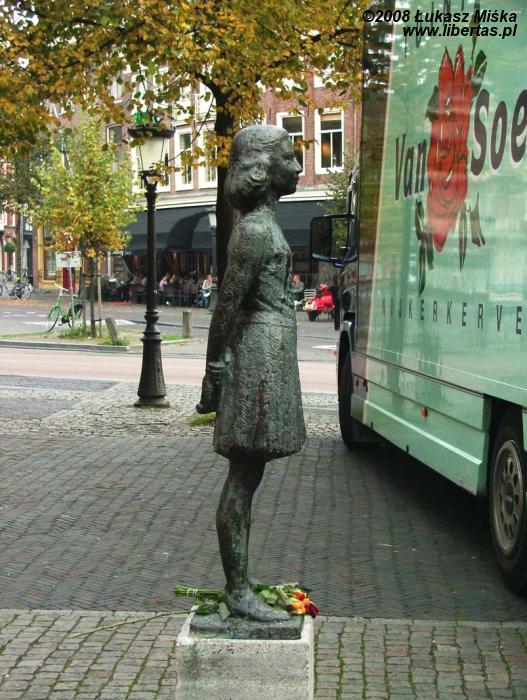
The last characteristic thing of Dutchmen that made an impression on me was the respect for their own history, so different from the Polish messianism, missionary work and complexes of the European abdomen. Dutchmen respect and take care of their architectural and cultural monuments, regardless of their size and significance. They don’t deny their sins as well, therefore, there’re so many immigrants from the former Dutch colonies here who have the same rights as indigenous Dutchmen.
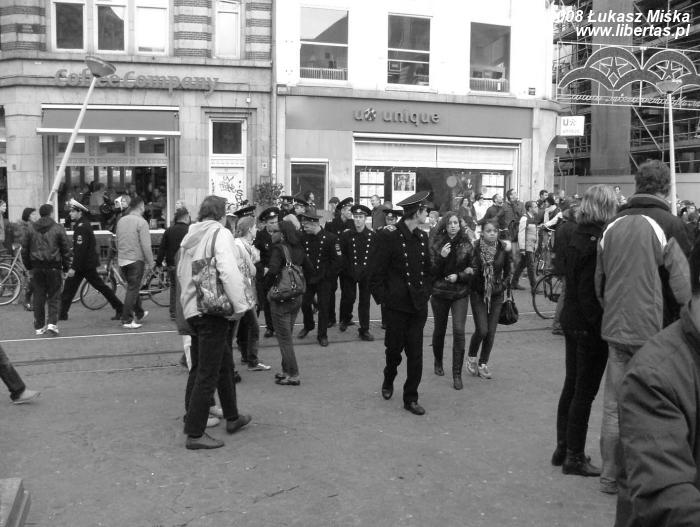
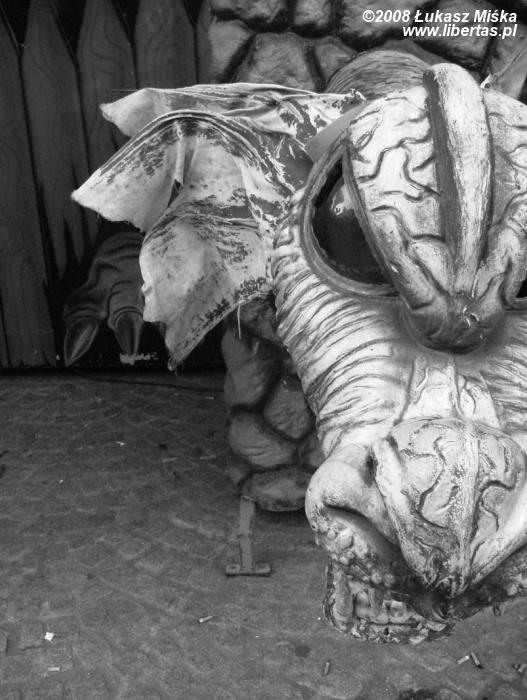



I don’t know, maybe such mental and cultural moderation is typical of the small nations but I’d like this very moderation to be inculcated in our Polish soil.
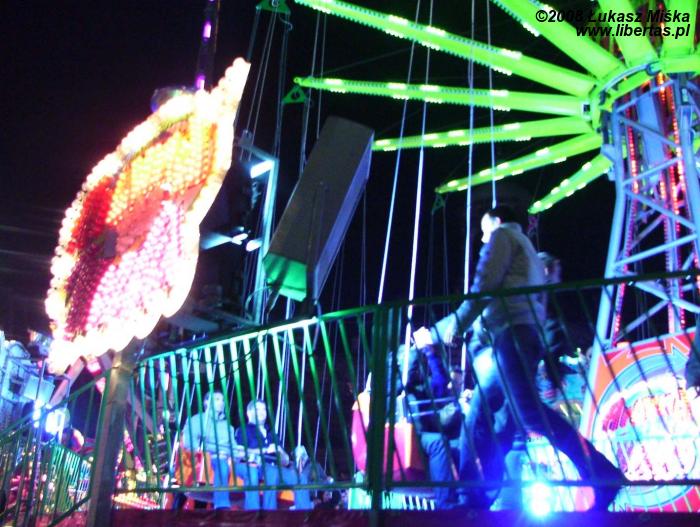
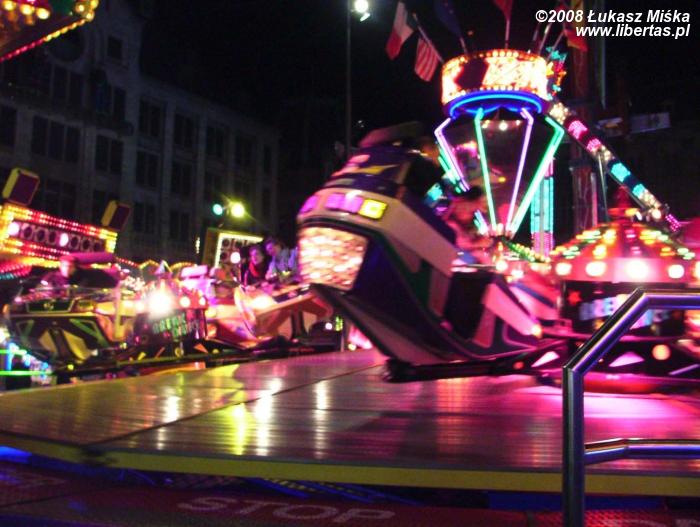

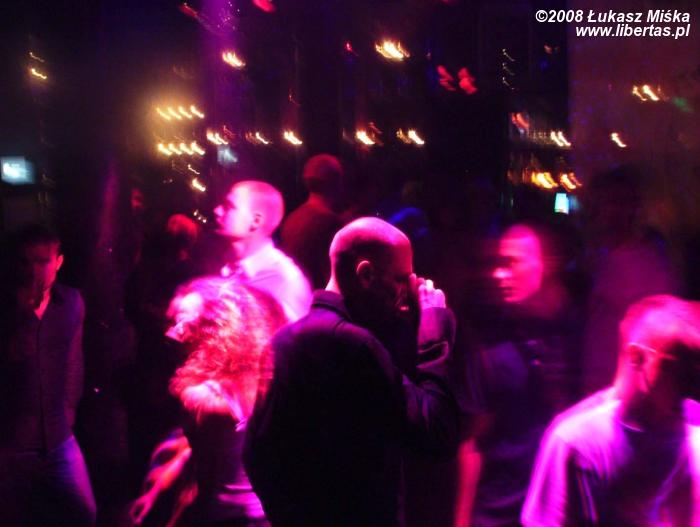
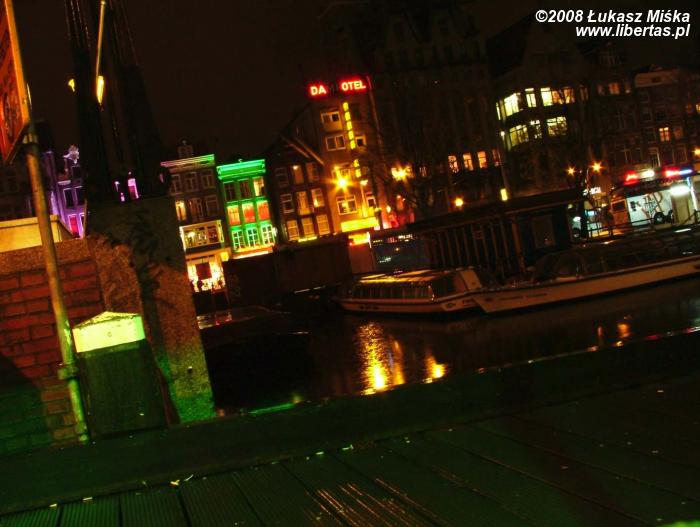
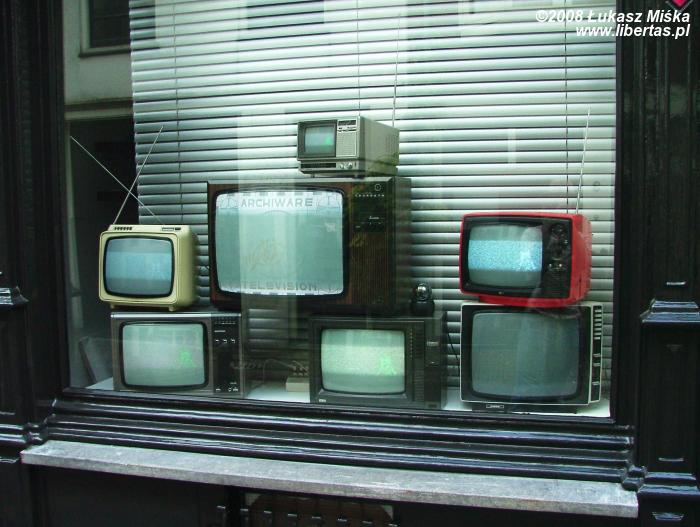
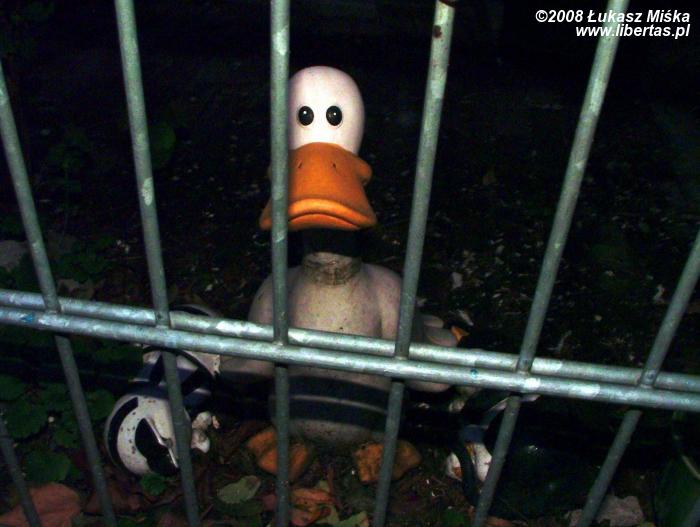
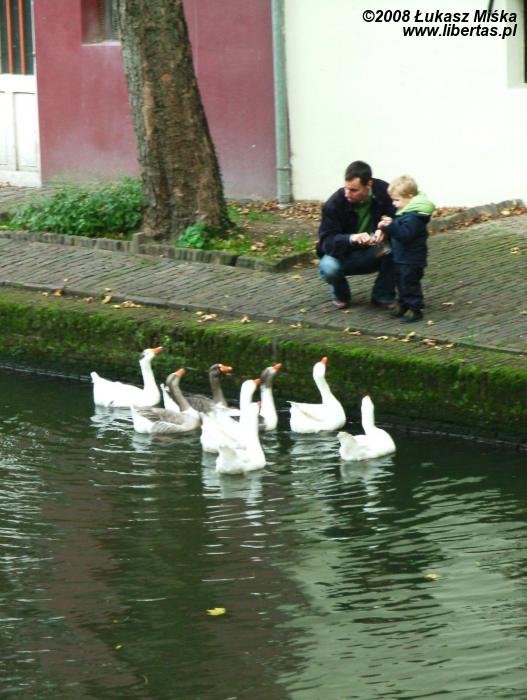
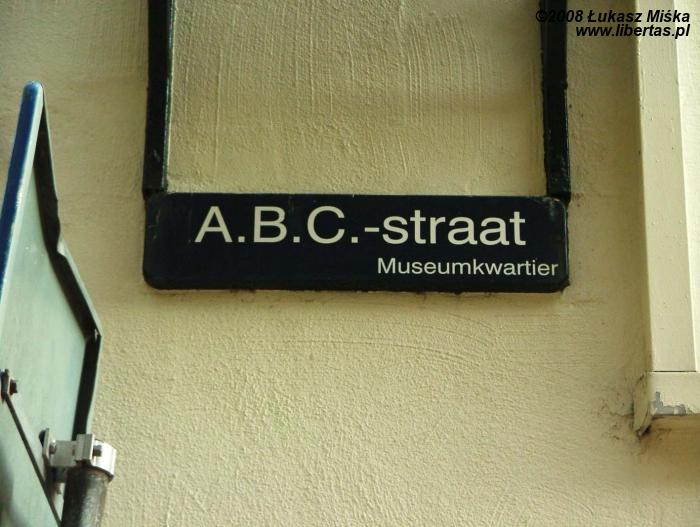
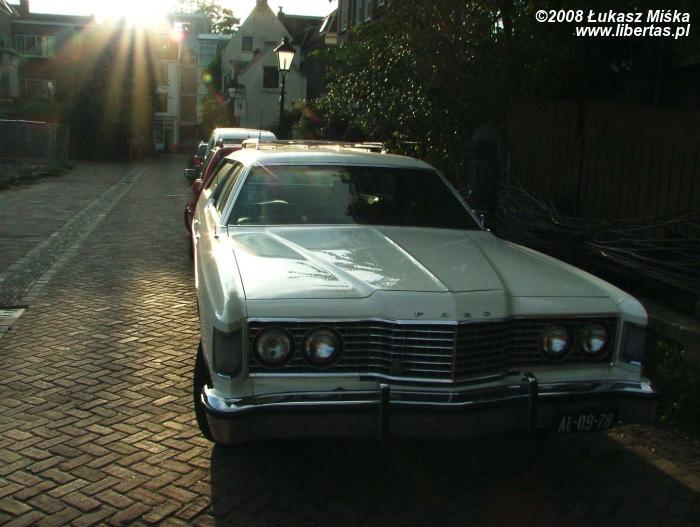
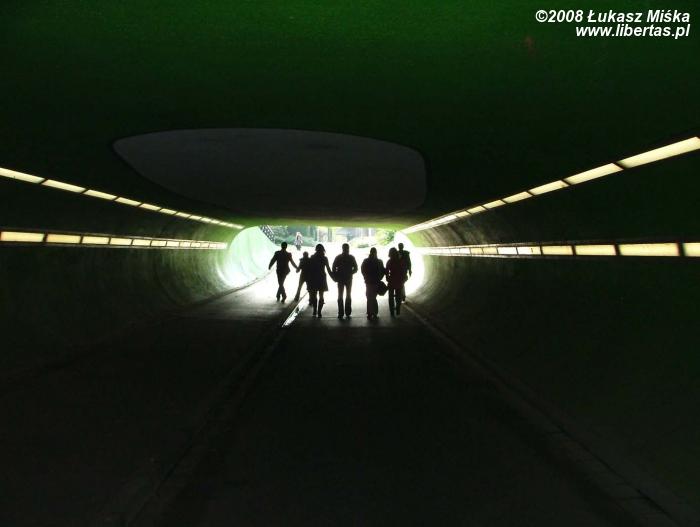
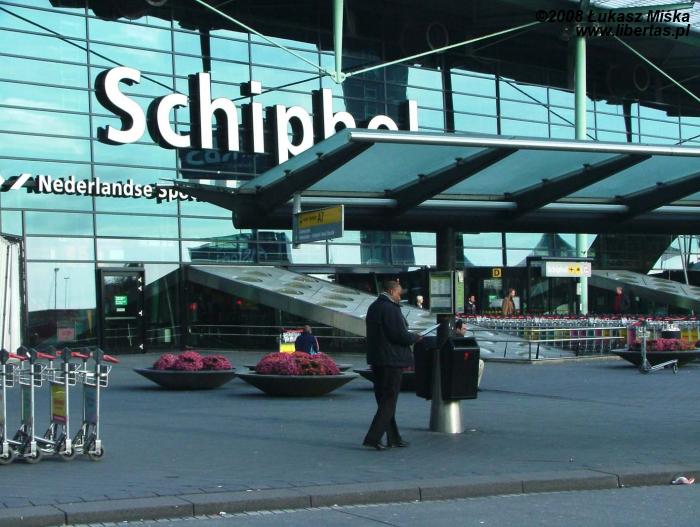
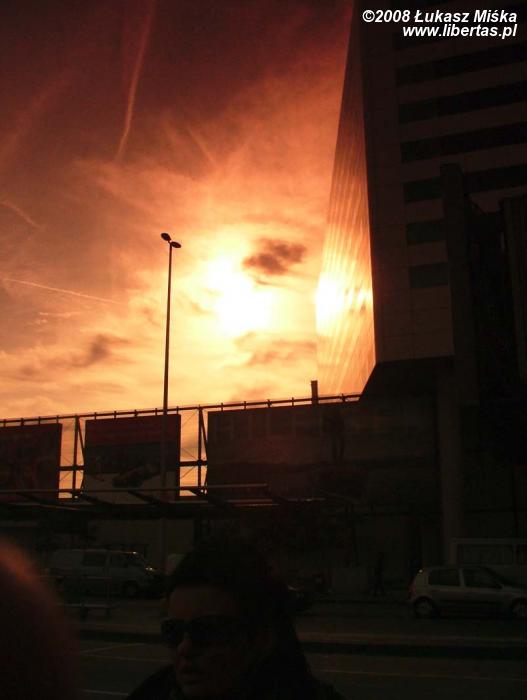
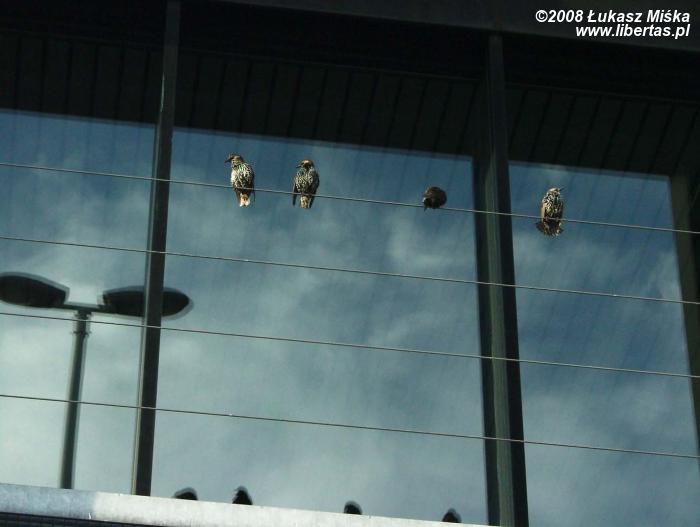
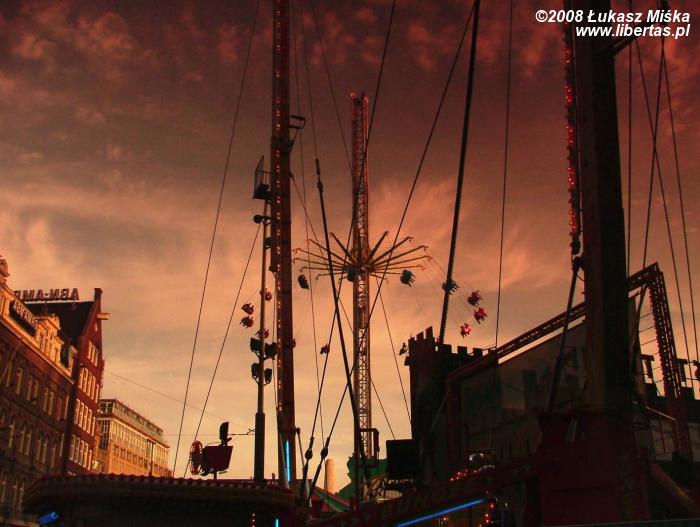
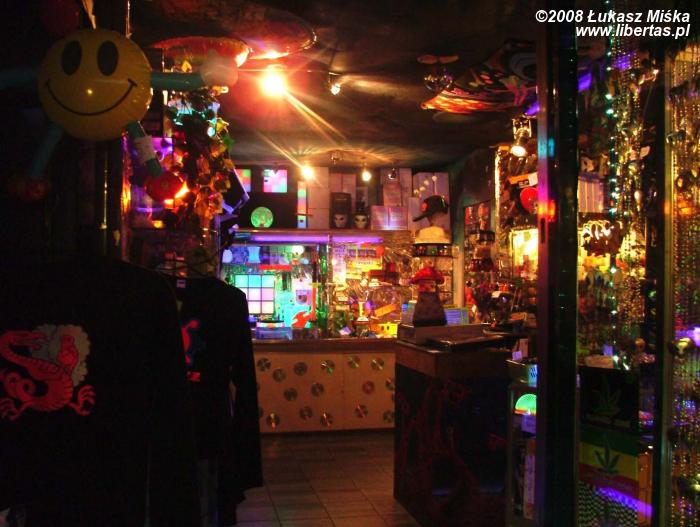
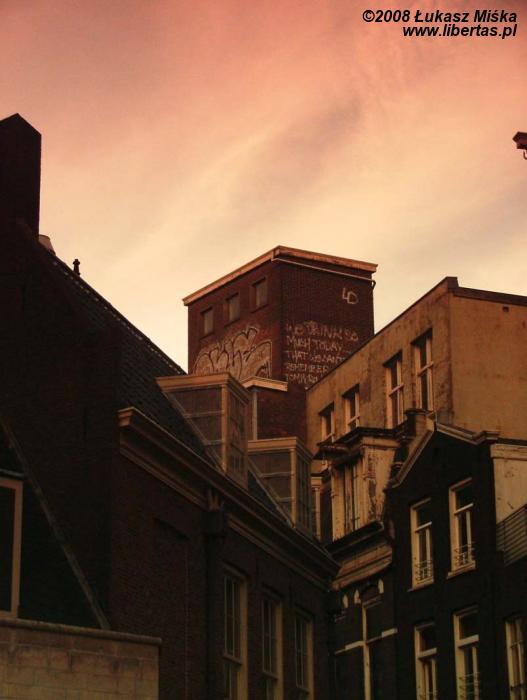
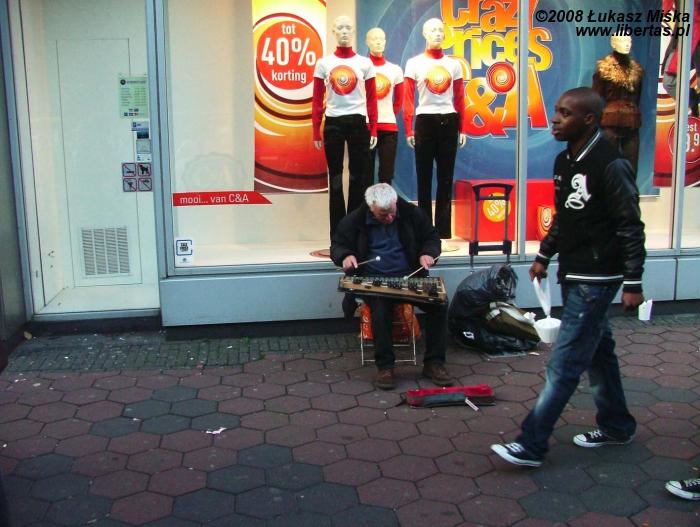
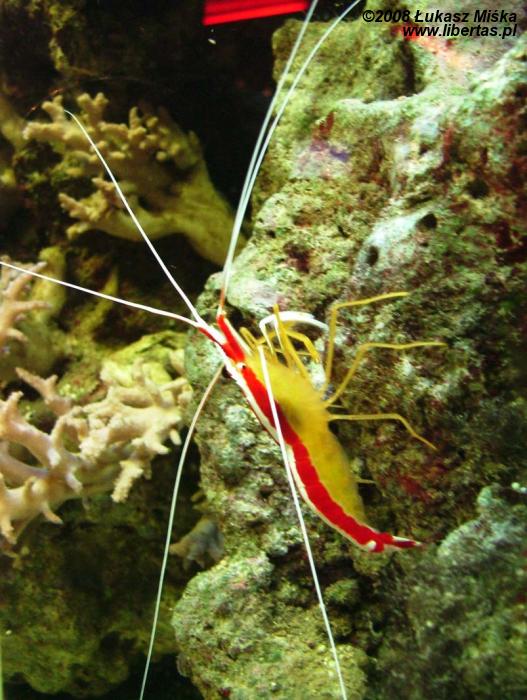
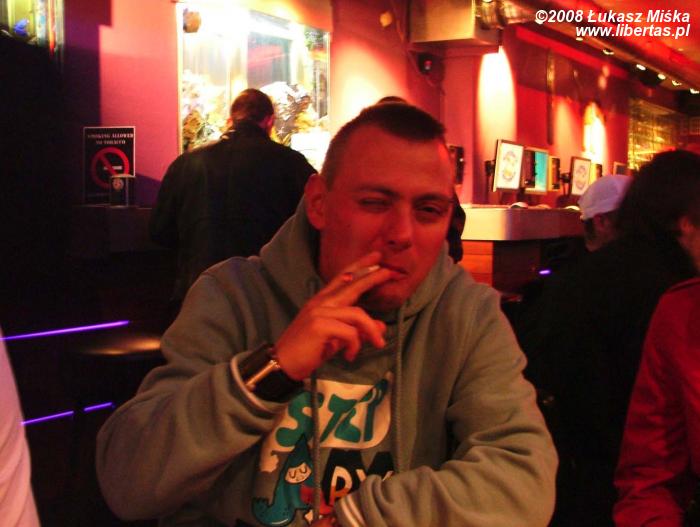
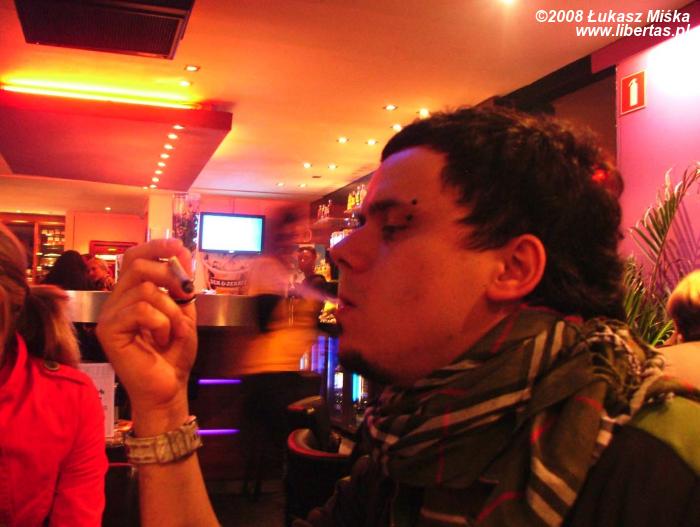
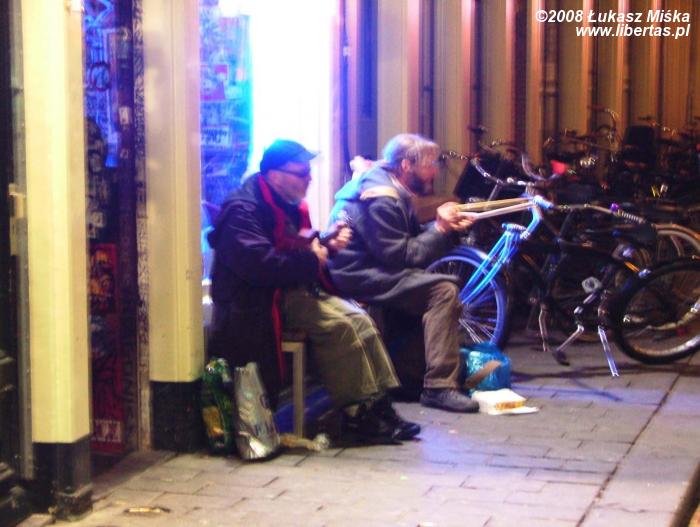
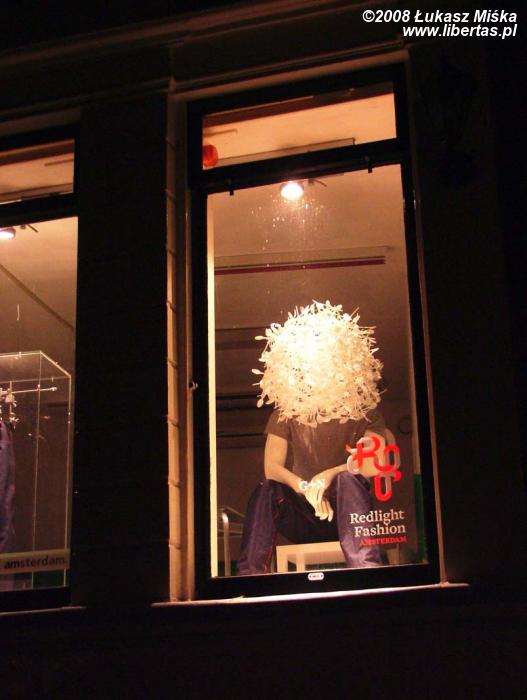
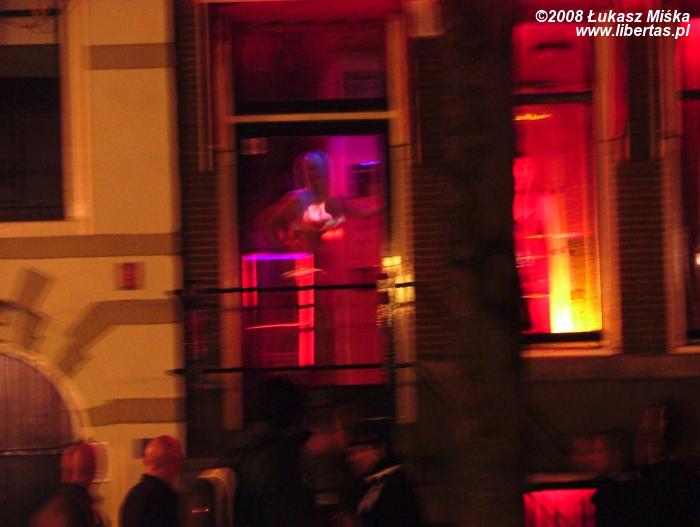
The pictures were taken mainly in Utrecht, which I fell in love with, and in Amsterdam which is hard not to visit and taste while being in Holland. Take a good look at Holland...