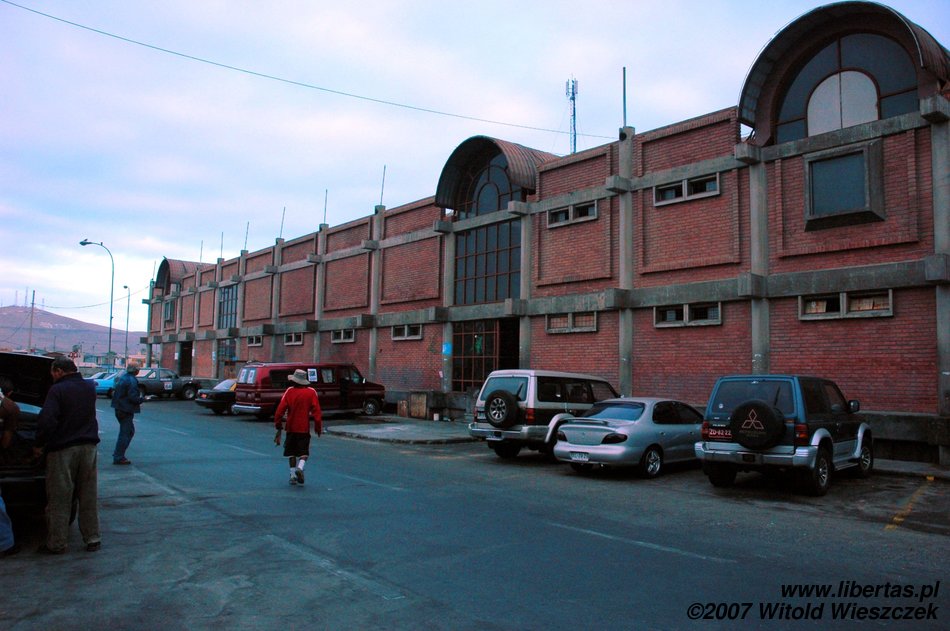
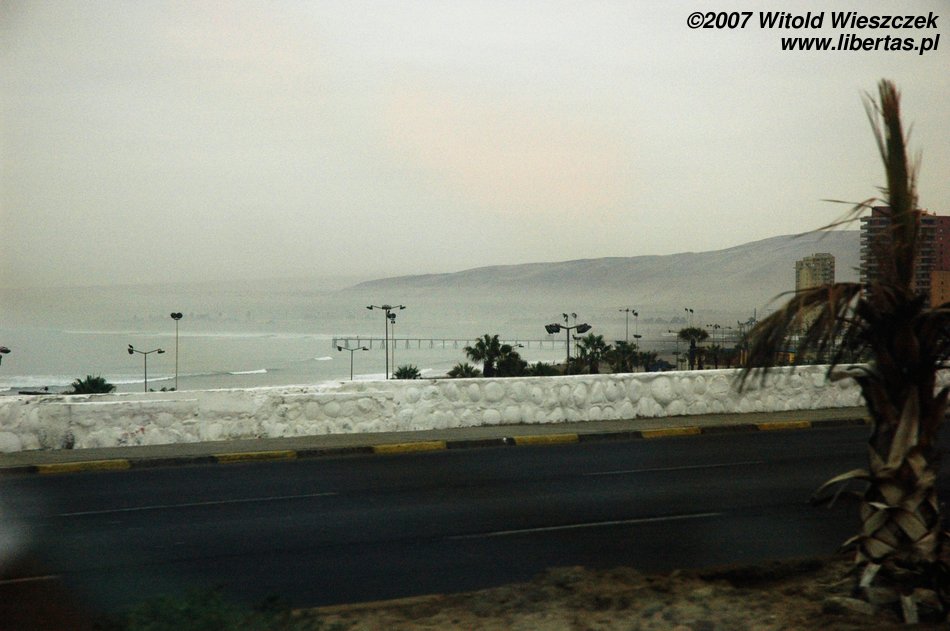
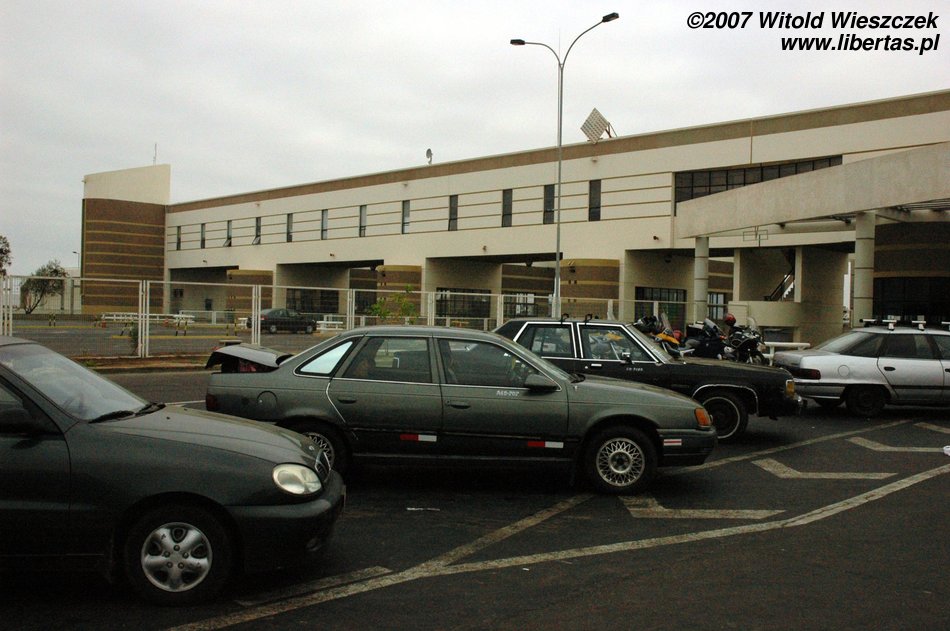
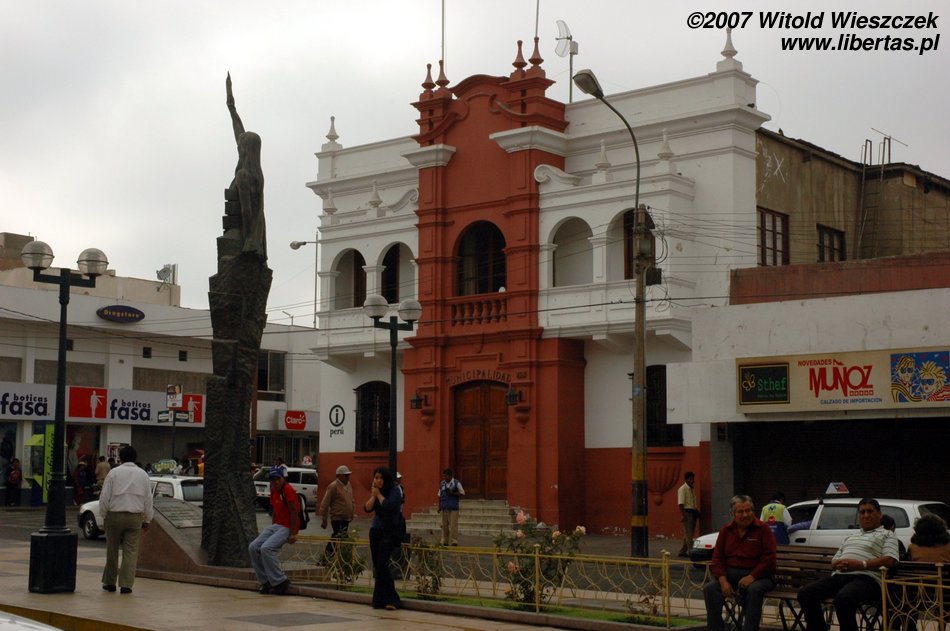
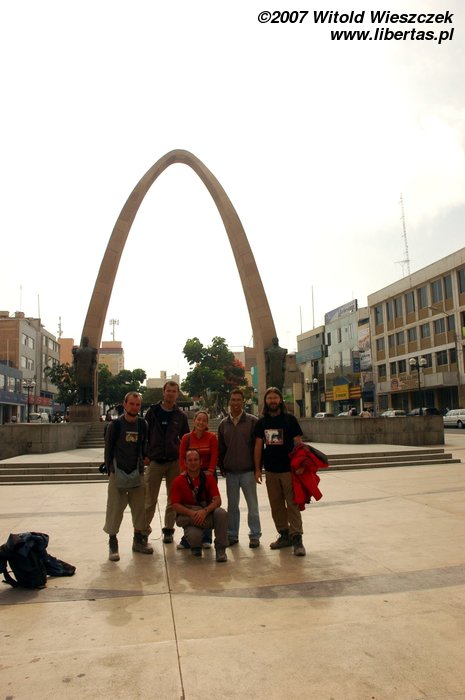
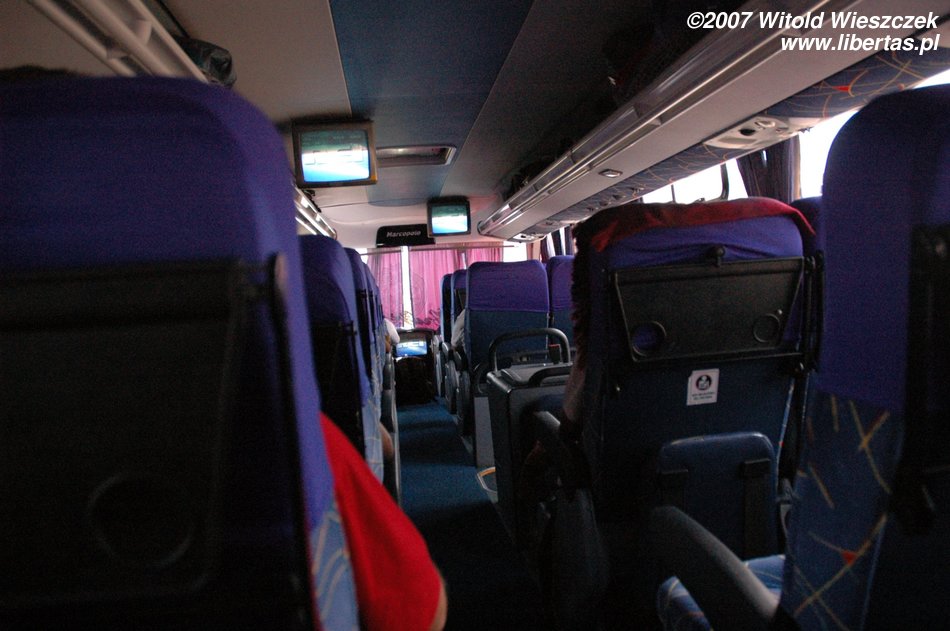
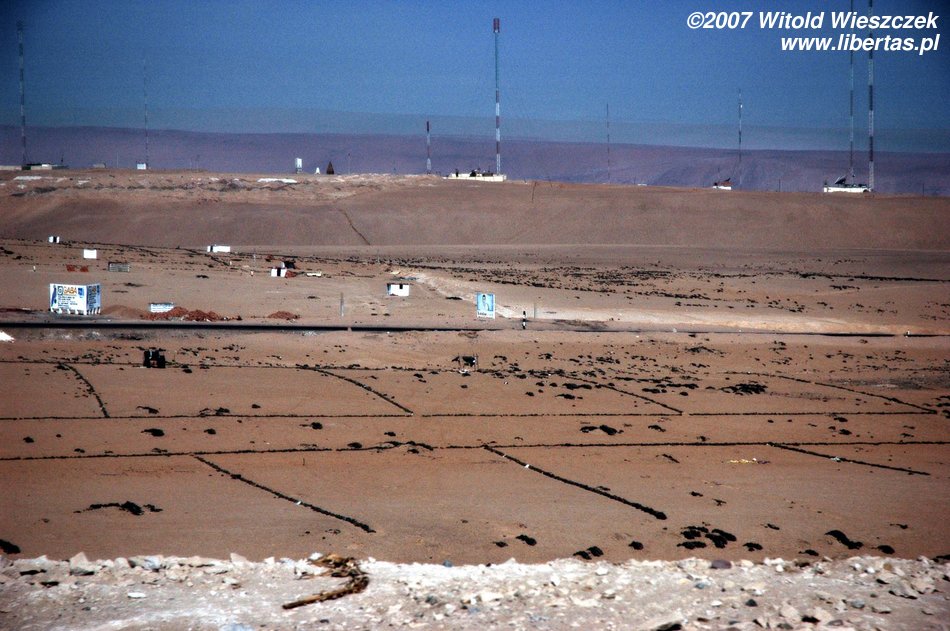
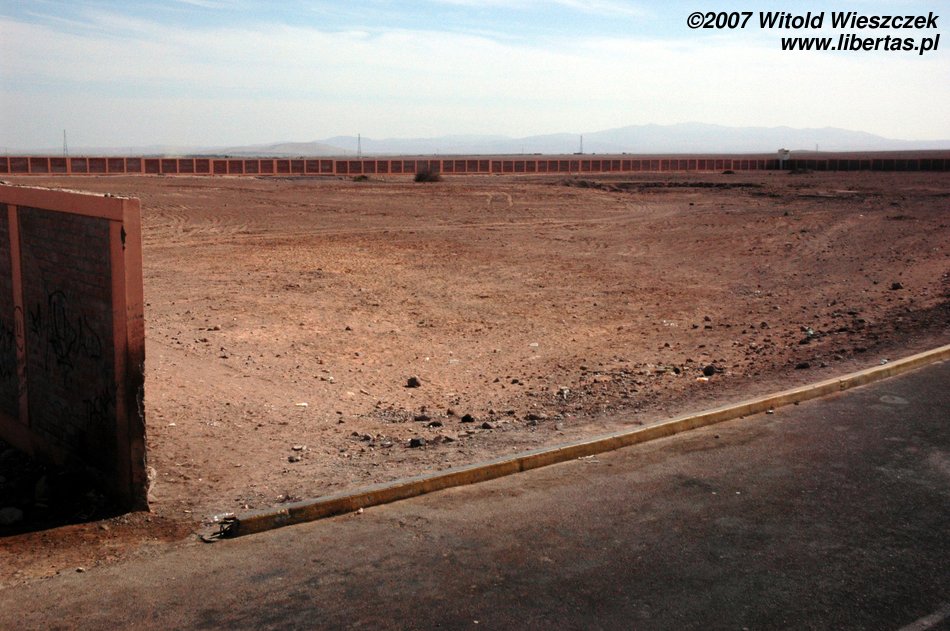
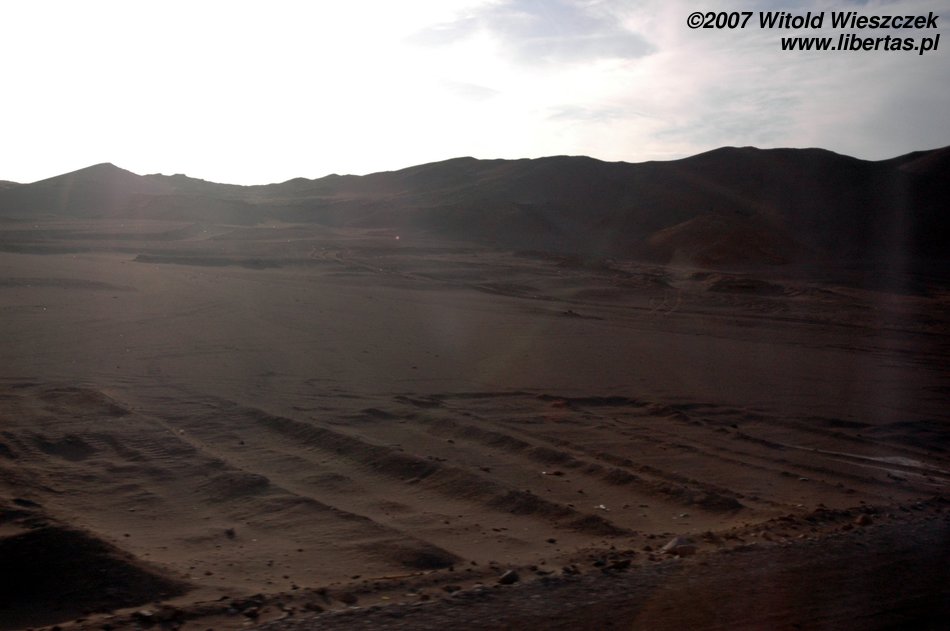
It took us all night to get to Arica at the ocean... A bus is very comfortable... You have to admit that the road transport in Chile or even in Peru is of a much higher standard in comparison to the Polish one. At the station in Arica we are picked up by a driver who takes us through the border to Tacna in Peru.


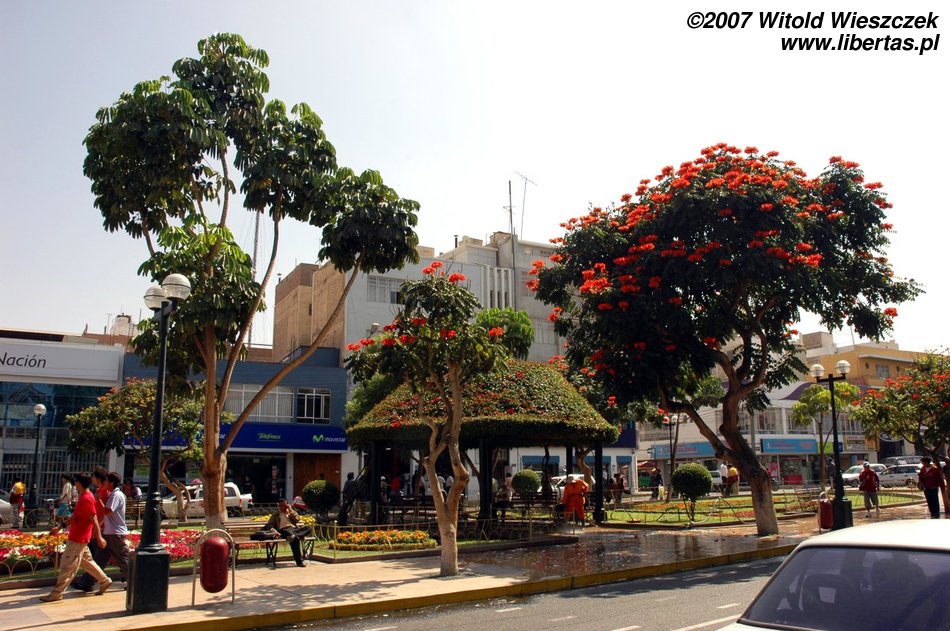
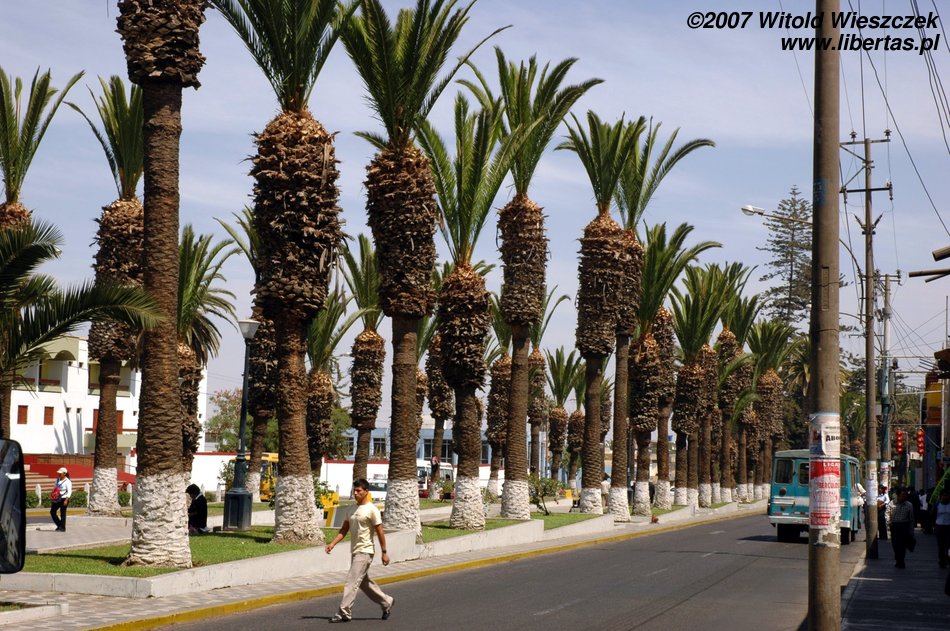
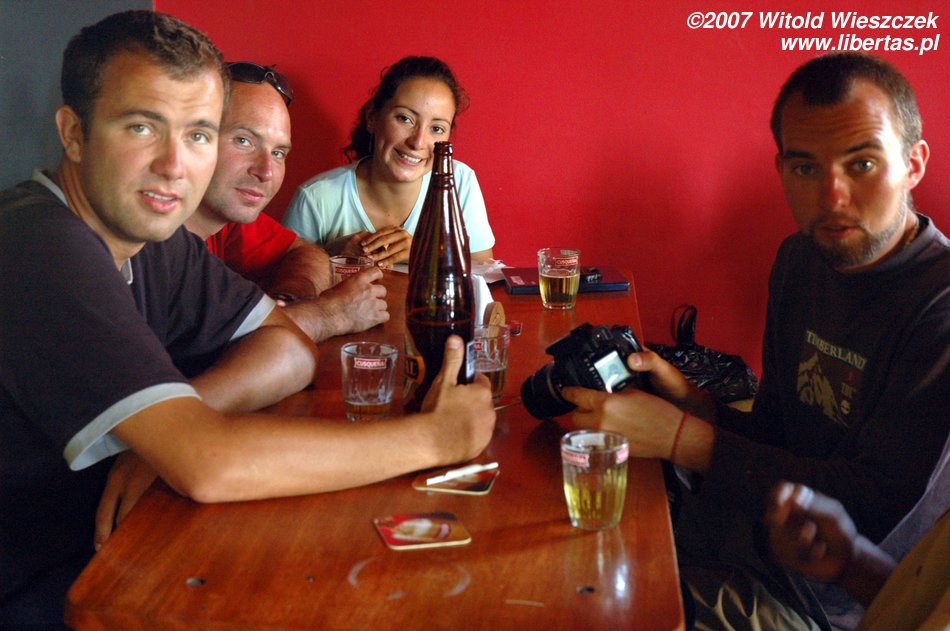
In Tacna we are taken over by a nice English-speaking friend of our driver who accompanies us through all day till our bus departures to Lima. She helps us to find some place where we can have breakfast, assists me in picking a hat (I’ve always wanted to get one from a distant country) and finally she has a beer with us. For all of this I thank our charming Lizeth.
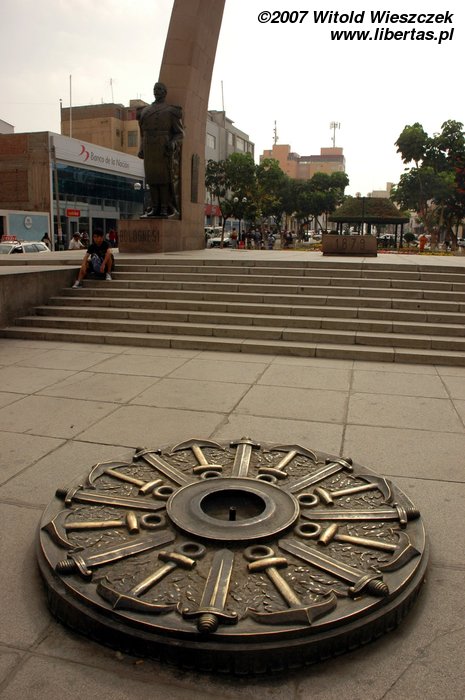
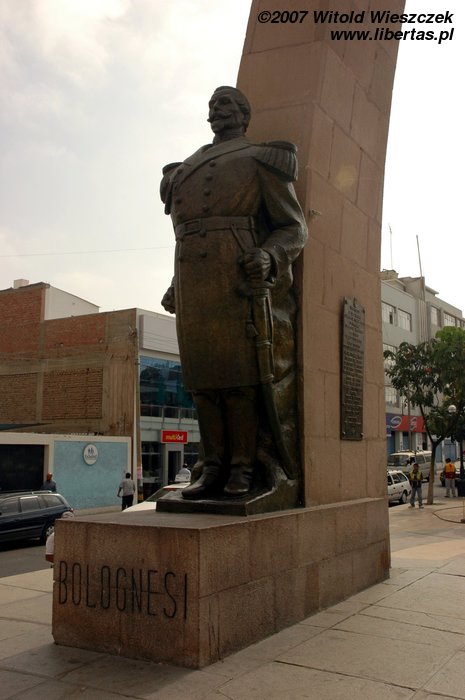
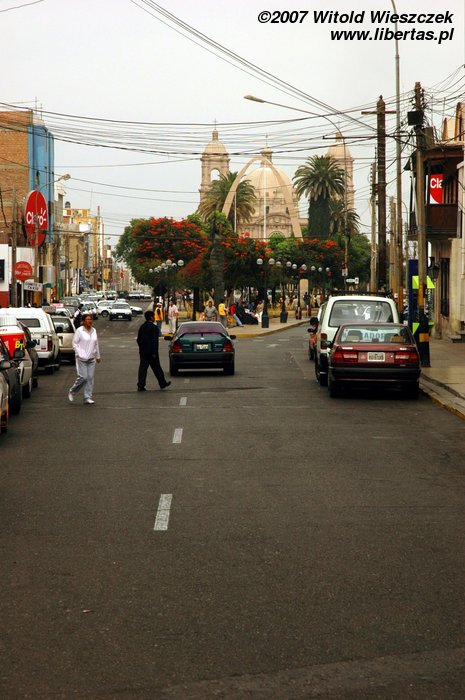
Tacna is a city with population of nearly 350,000. It’s situated 35 km from the Chilean border. As I found out from the Spanish Wikipedia, the official name of this city is San Pedro de Tacna. The city is well renowned since the Independence War. In 1828, the president José de La Mar bestowed on this city the title of Primera Ciudad Heroica del Perú! After the Pacific War, for almost 50 years, Tacna was occupied by Chile; however, in spite of a relentless propaganda and something what you can call a “Chileanisation” ;-), the citizens of Tacna once again proved their patriotism and, despite of all endeavours, Tacna was won back by Peru. In the same war, Bolivia lost its access to the sea; not to mention the fact that when Bolivians started the war with Chile, they didn’t even have the navy!
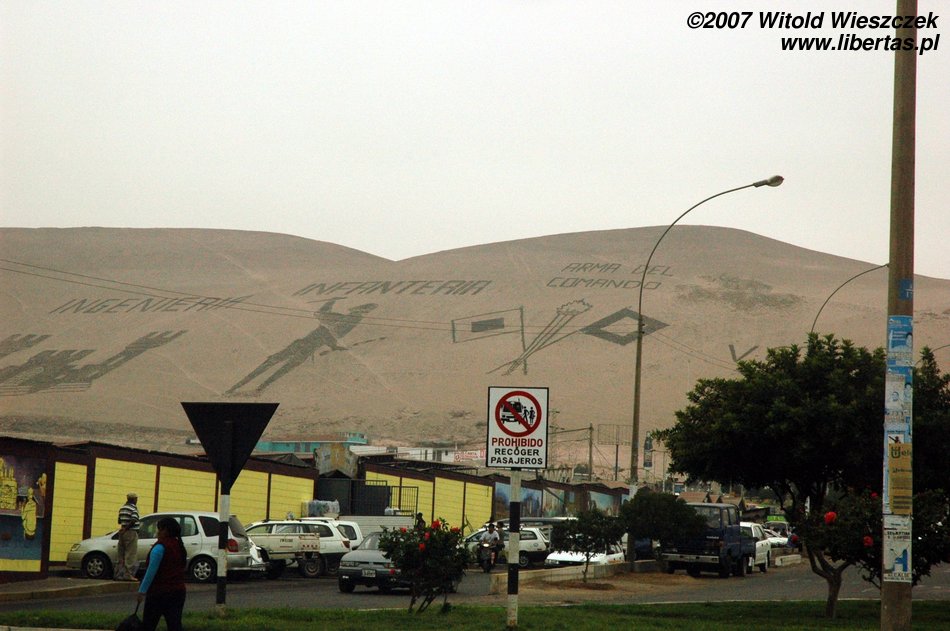
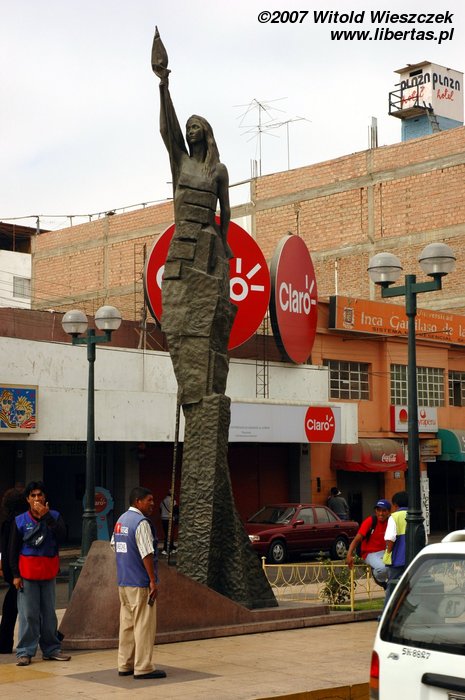
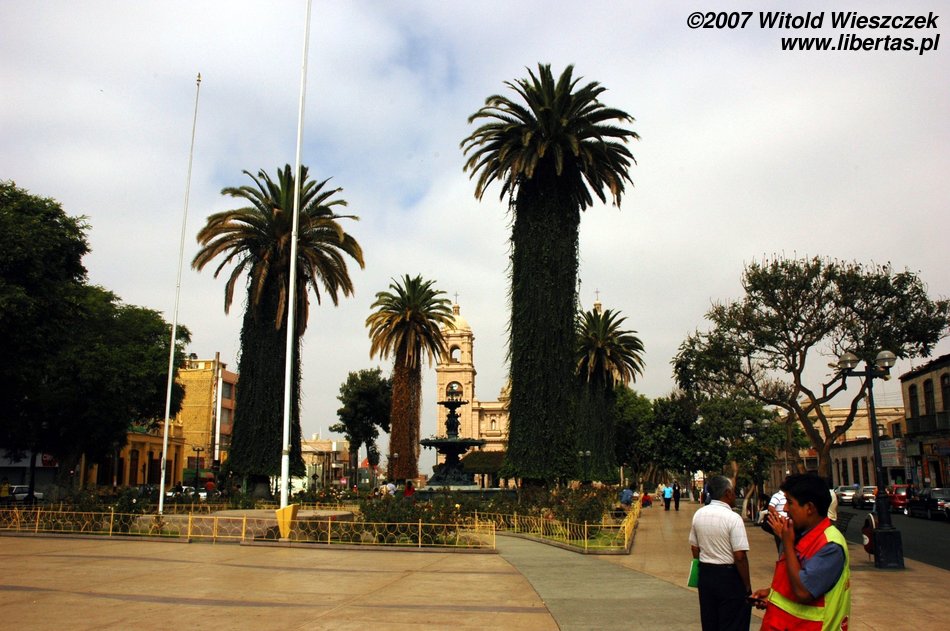
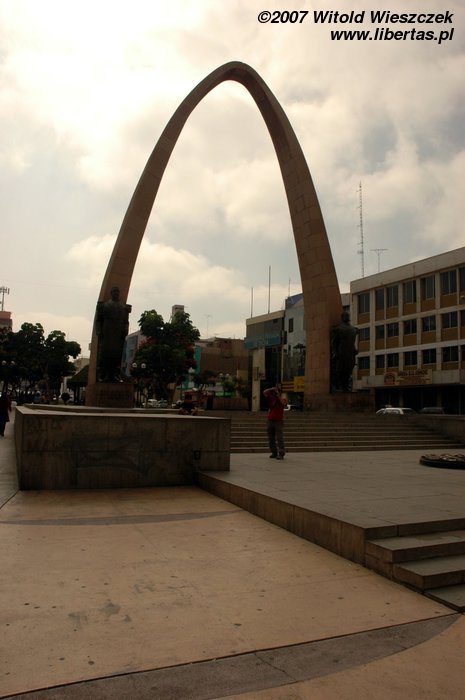
I will no longer write at length about this conflict which, anyway, casts a shadow over the neighbourly relations... I remember when I spoke about it with Lenin on our way to Salcantay; our conversation started when I mentioned about our conflicts with Germany (as a matter of fact, we were accompanied by German women). Lenin told us that Peruvians still reproach occupiers for the war during which Chilean armies plundered the capital itself; and it’s been 120 years since the war ended. Anyway, if you’re interested in this subject I recommend the supplementary works :-).

Chyba nikogo nie trzeba przekonywać o tym, że jadąc za granicę warto znać języki obce. Ma się wtedy nieporównywalnie większą swobodę podróżowania, poznawania i nawiązywania ciekawych znajomości. Oczywiście, najlepiej znać język kraju do którego się wybieramy, z drugiej strony, jeśli podróżujemy w różne miejsca, trudno byłoby nam je wszystkie opanować. Są jednak języki na tyle popularne, że z ich znajomością poradzimy sobie prawie w każdym zakątku świata - to oczywiście angielski i hiszpański. Niestety, kursy językowe są bardzo drogie, rocznie to wydatek kilku tysięcy, poza tym zajmują czas, bardzo dużo czasu. Teraz jest jednak o wiele lepszy, wygodniejszy i w porównaniu do metod tradycyjnych śmiesznie tani sposób! Mówię oczywiście o audiobookach. Dzięki nim możemy się uczyć w samochodzie, jadąc do pracy, jadąc na uczelnię, spacerując, prasując, czy wykonując inne czynności które nie wymagają wielkiego skupienia. Oszczędzamy nie tylko pieniądze, ale i czas! W bogatej ofercie audiobooków znajdziecie na pewno coś dla siebie, są tu materiały zarówno dla początkujących jak i dla bardziej zaawansowanych.
Konwersacje dla początkujących to kurs przeznaczony dla osób zaczynających naukę, jak również tych, którzy chcą poprawić umiejętność mówienia i rozumienia ze słuchu.
Język angielski - w podróży to trochę droższa pozycja, przeznaczona dla osób średnio zaawansowanych. Kurs zawiera ponad 20 lekcji prezentujących różnorodne materiały związane m.in. z planowaniem wakacji, rezerwacją noclegów, podróżowaniem samolotem, pociągiem i samochodem.
Godny uwagi jest również pakiet Angielski dla początkujących zawierający "Słownictwo i podstawy gramatyki" + "1000 słów i zwrotów w podróży" + "1000 słów i zwrotów w pracy"
Dla osób chcących zacząć swoją przygodę z językiem hiszpańskim i przygotować się do podróży do jednego z ciekawych hiszpańskojęzycznych krajów najlepszy będzie Hiszpański - Kurs podstawowy. Obejmuje 11 lekcji - aż 90 minut nagrań - uczących 1000 najbardziej potrzebnych słów i zwrotów.


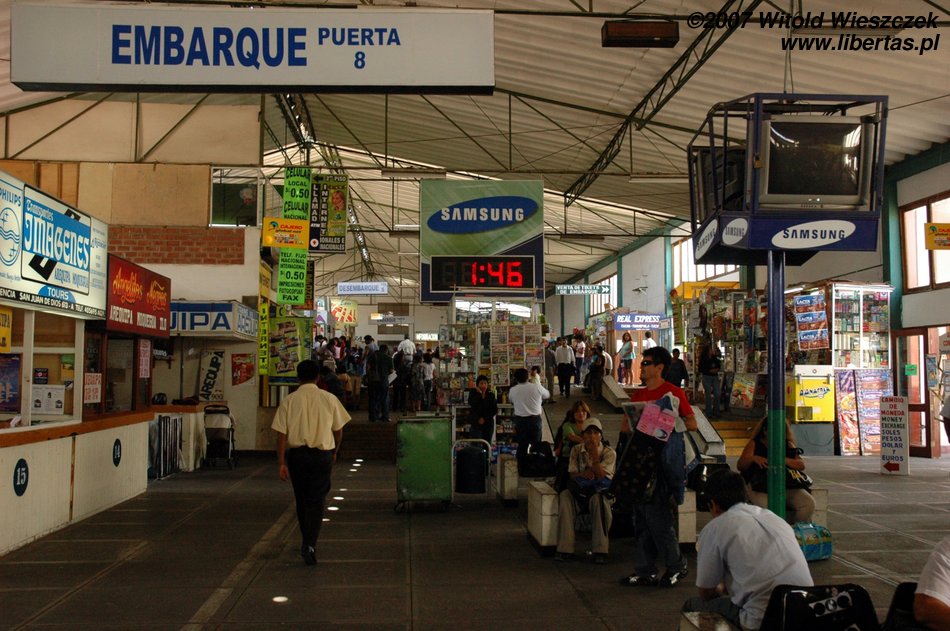
We don’t have much time to stay here, our bus to Lima leaves at 2 P.M.; we’re going to travel all day and night but the worst thing is that our journey is drawing to an end ;-/


On our way we are stopped by two security checks, while during the second one we have to pull out our entire luggage! Just as if we were crossing the border! I have no idea what purpose this could serve. Well, what else can I write... See you in Lima, buenas noches for the last time :(.
Witold Wieszczek – the one who visited the most heroic city in Peru.
To language of Shakespeare translated by Kamil Razowski.
Voy hasta el fin del mundo (Peru - Boliwia - Chile):
First stop - Barcelona! (78 zdjęć)Welcome to Peru: Lima! (93 zdjęcia)Going South: Ica! (42 zdjęcia)The Nazca Lines (53 zdjęcia)Arequipa - The White City (48 zdjęć)Colca Valley / Valle del Colca (Peru) (68 zdjęć)Islands on the lake of Titicaca (71 zdjęć)Cusco – the younger sister of Cracow (50 zdjęć)Salcantay Trek – The Aroma of the Machu Picchu (68 zdjęć)Machu Picchu – the great summit (71 zdjęć)La Paz – the city of Our Lady of Peace (93 zdjęcia)Death Road to Coroico (37 zdjęć)The Bolivian Pampa, walking on air (72 zdjęcia)Welcome to the Bolivian Jungle (47 zdjęć)Easter in Rurrenabaque (63 zdjęcia)Salar de Uyuni - largest salt-shaker in the world (100 zdjęć)Hey mama, we going to Atacama! (64 zdjęcia)We are going back to PeruHeroica Ciudad de San Pedro de Tacna (38 zdjęć)We are saying goodbye to the Ocean, to Peru and to America (54 zdjęcia)