ISSN: 1689-6688
wtorek, 13 stycznia 2009

ISSN: 1689-6688
wtorek, 13 stycznia 2009
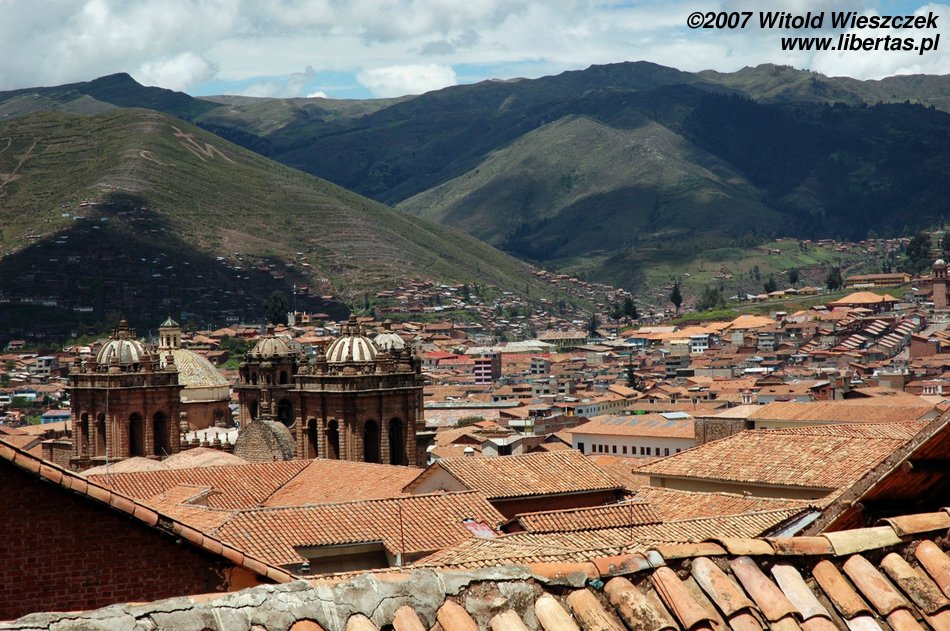
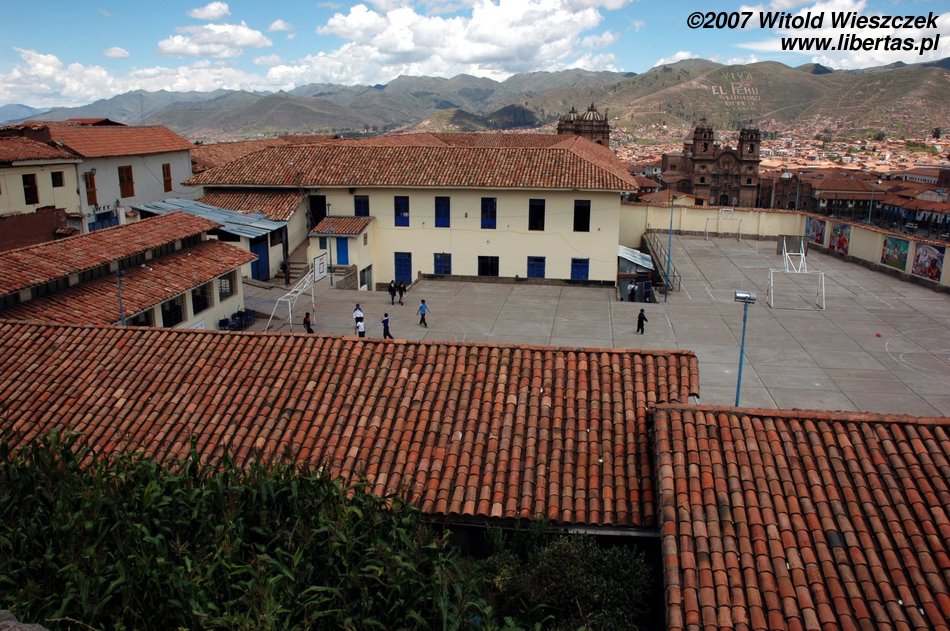
We travel another 389 km and, at about 3 o’clock in the morning, we reach Cusco. Taxi takes us to a hotel... it’s so good to plunge yourself into clean bedclothes. In the morning, we eat breakfast, do the laundry... everything without haste, we have a day off today...

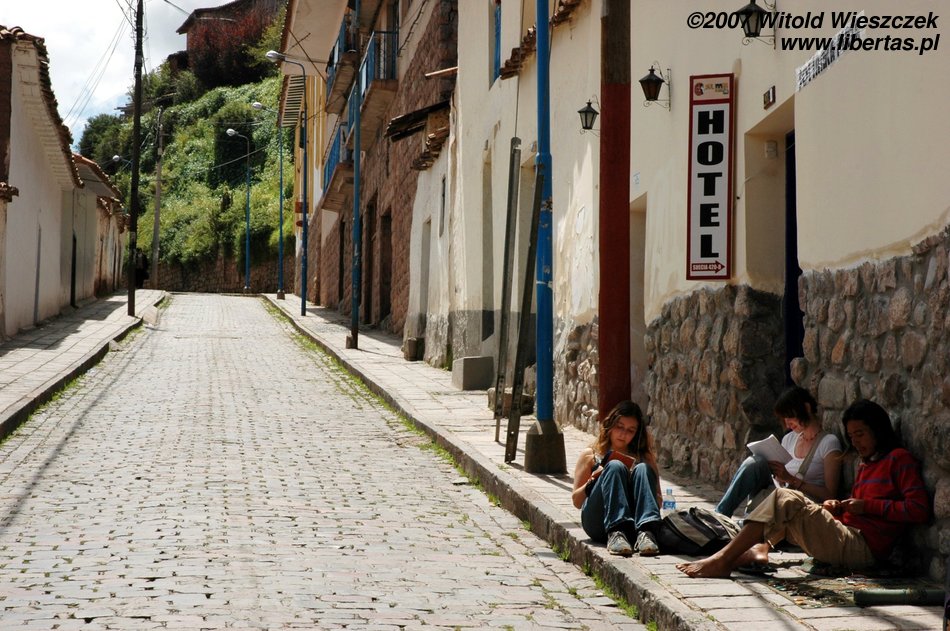
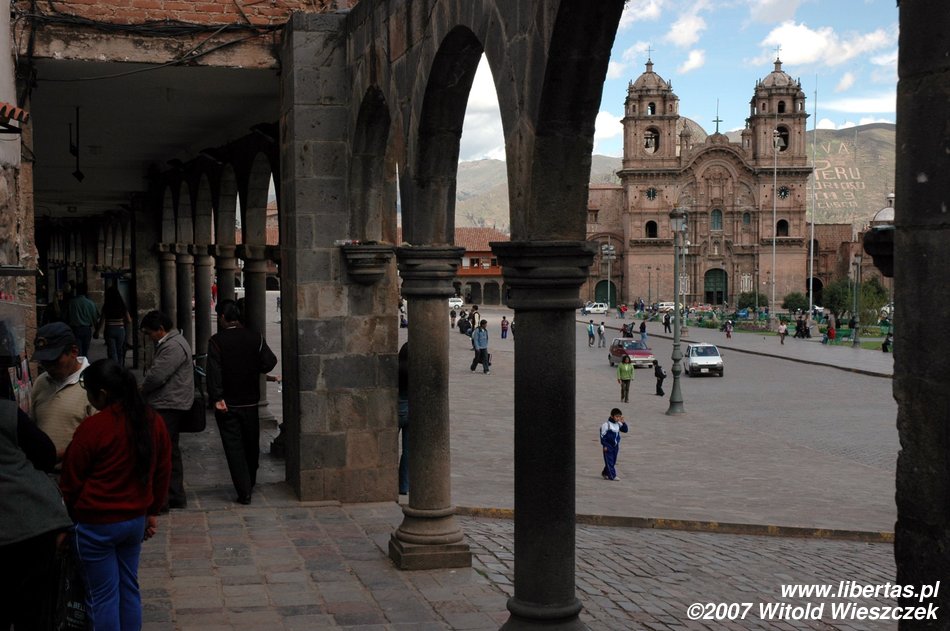
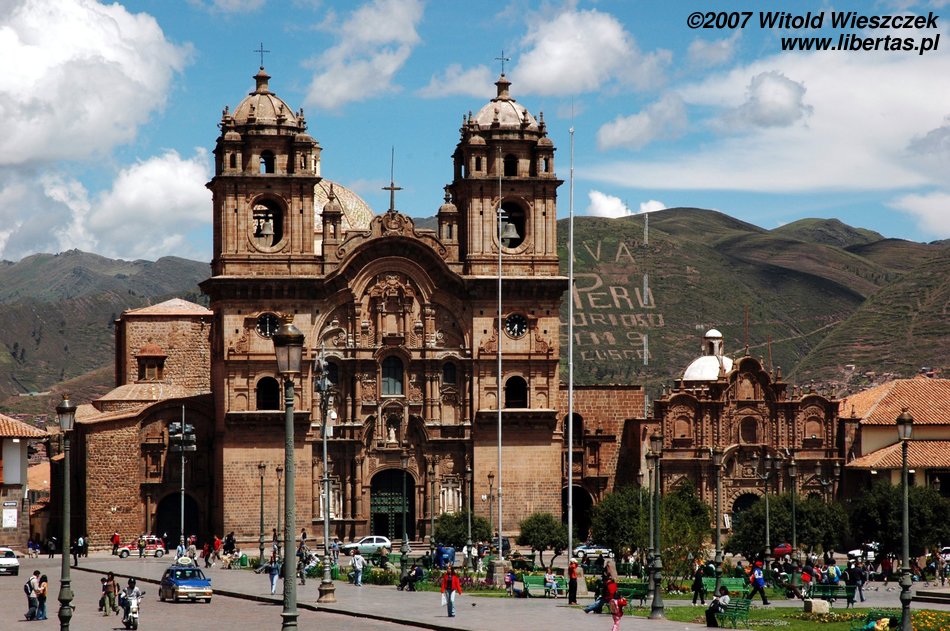
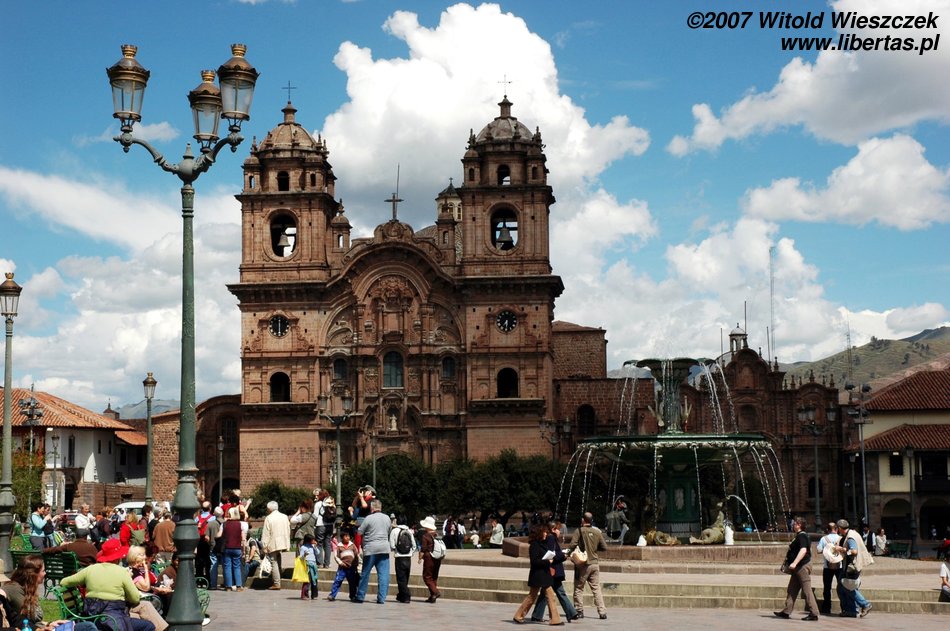


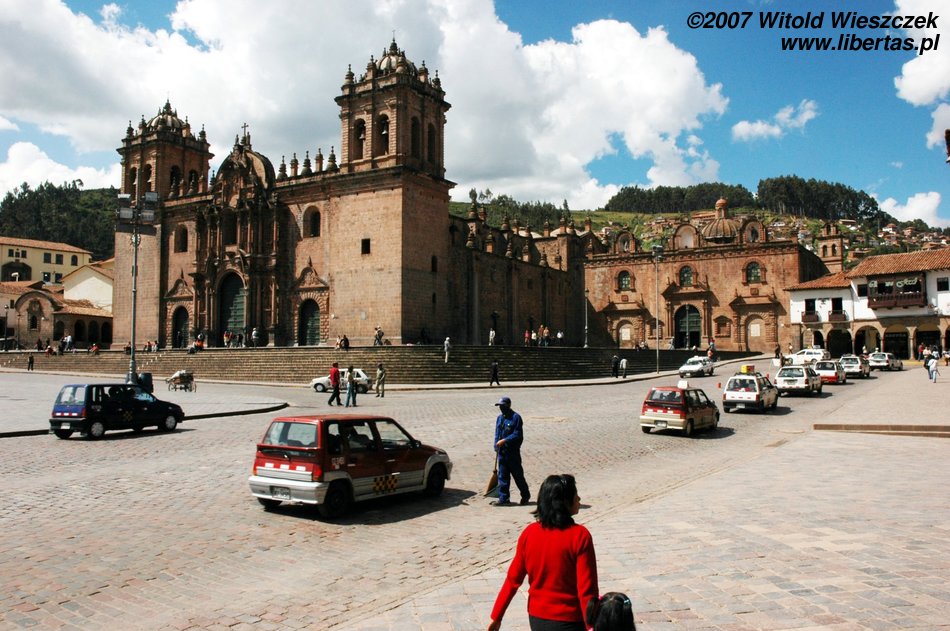
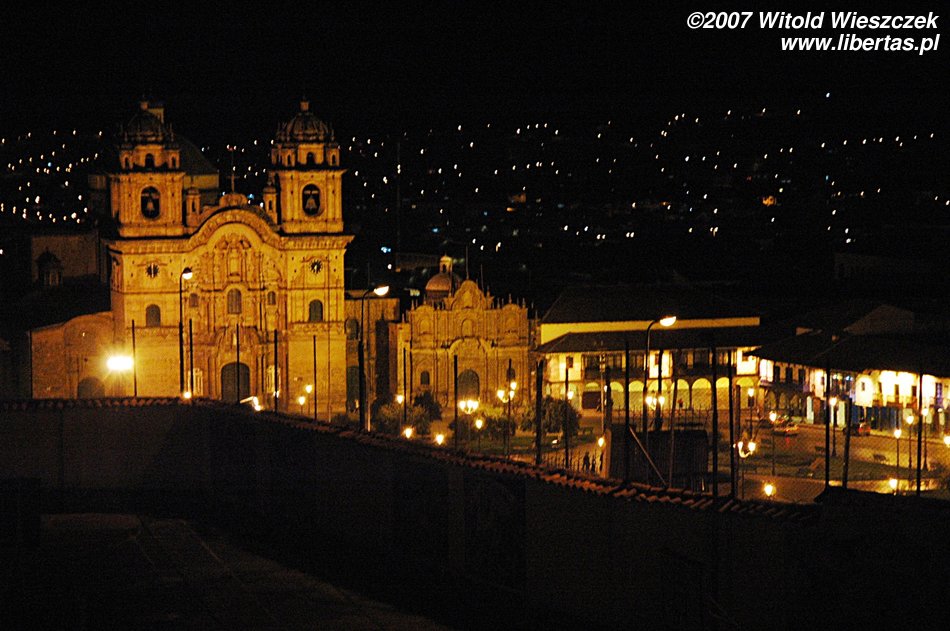
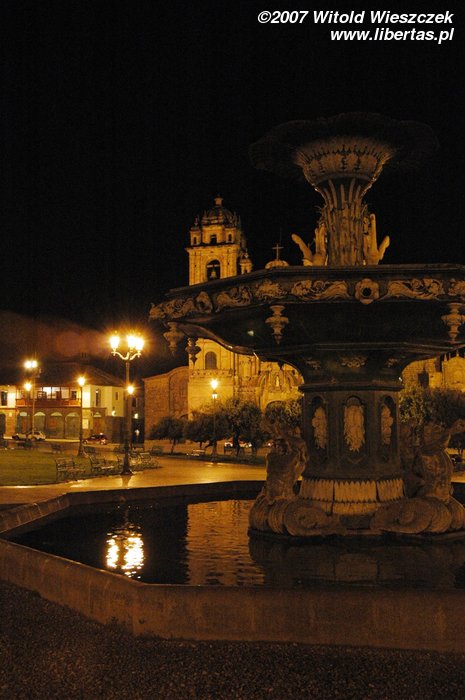
When we finally deal with everything, we go to see the city, which already looks promising from the hotel terrace. Cusco has around three thousand inhabitants and is situated at 3399 m above sea level. It was reportedly founded by the legendary ancestor of the Inca royal dynasty – Manco Capac, in XII century. In those days it was the capital of the empire, the fact which is well put across in the very name of the city – Qusqu in the Quechua language means the hub of the universe. As an interesting fact, I shall mention that it’s a “sister” city of Cracow.
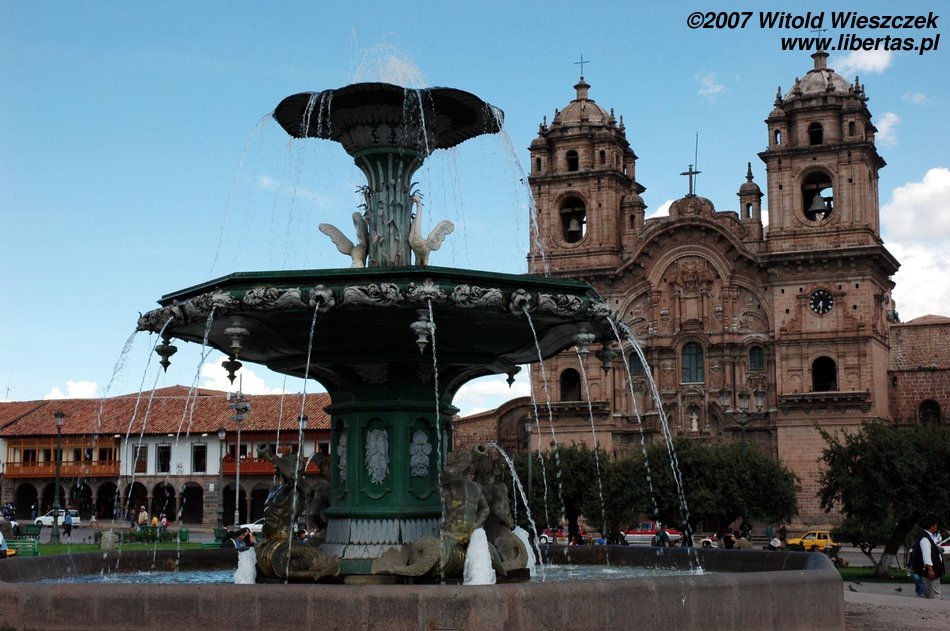
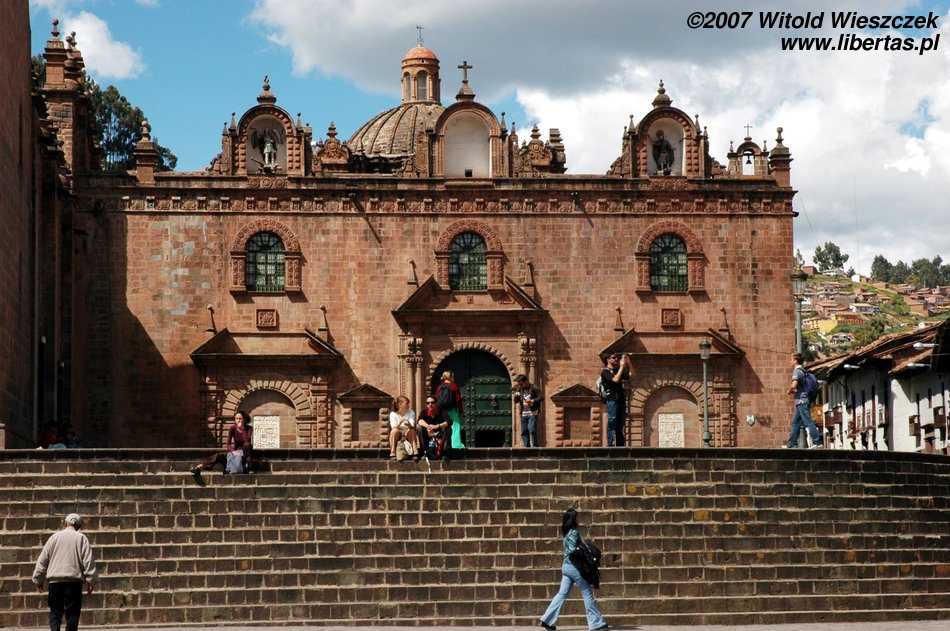
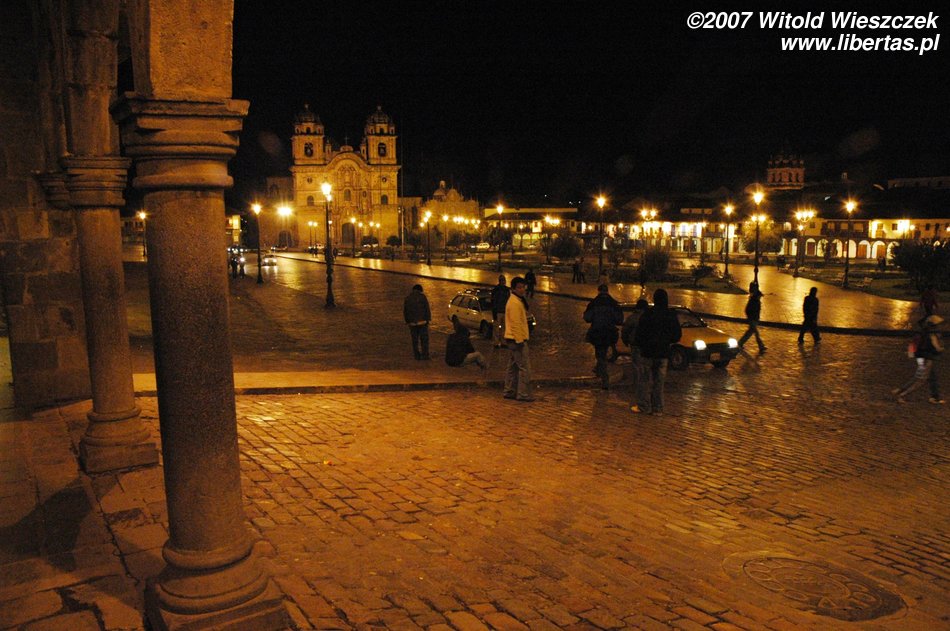
We go, needless to say, to Plaza de Armas where we meet Suzanna, a Dutchwoman we got to know in Ica... Peru is small indeed. We buy a book of tickets (18 Sols for students;]) which includes six places of interest: Catedral, Iglesia del Triumfo, Iglesia de la Sagrada Familia, Iglesia de la Compania, Iglesia de San Blas and Museo de Arte Religioso. Churches are stunning, but the very fact that they were literally created on the graves of Incas is outrageous. Anyway, it’s only one of the numerous examples of their savagery. From this area, Spaniards were taking away e.g. priceless, golden works of art and melted them down into bars!
.jpg)
There is a painting in the cathedral which refers to the Last Supper by Leonardo, and no one would probably give it any attention if it wasn’t for the items one can find on the table, namely, Marcos Zapata incorporated into menu one of the Peruvian delicacy – a guinea pig:).
Unfortunately, in most cases, one thing that survived from Incan times are only foundations on which Spaniards erected their temples, e. g. the convent of St. Catherine was raised on the ruins of the House of Sun Virgins Acllas whereas the Dominican Monastery replaced the relics of the Sun Temple Coricancha!
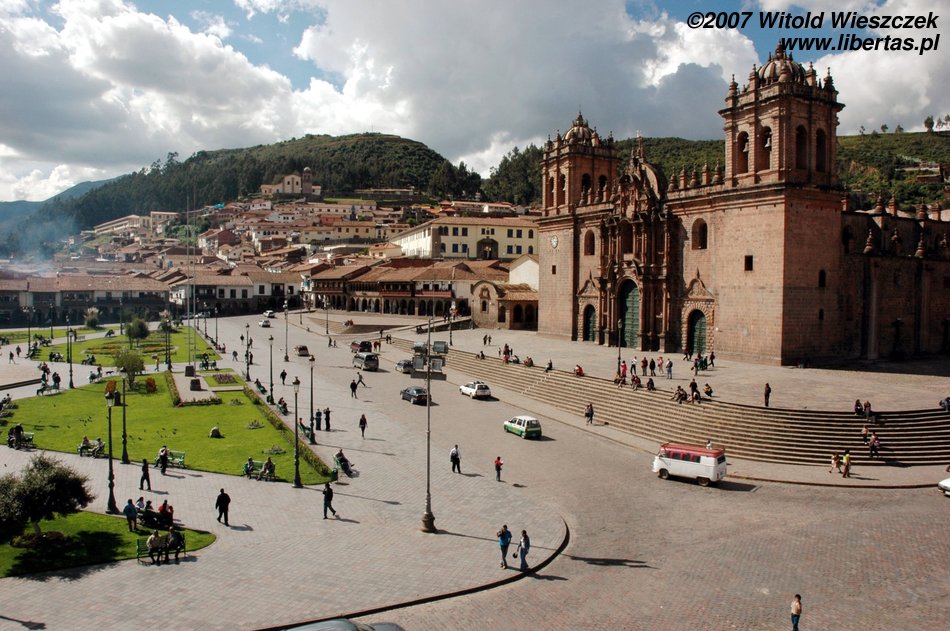

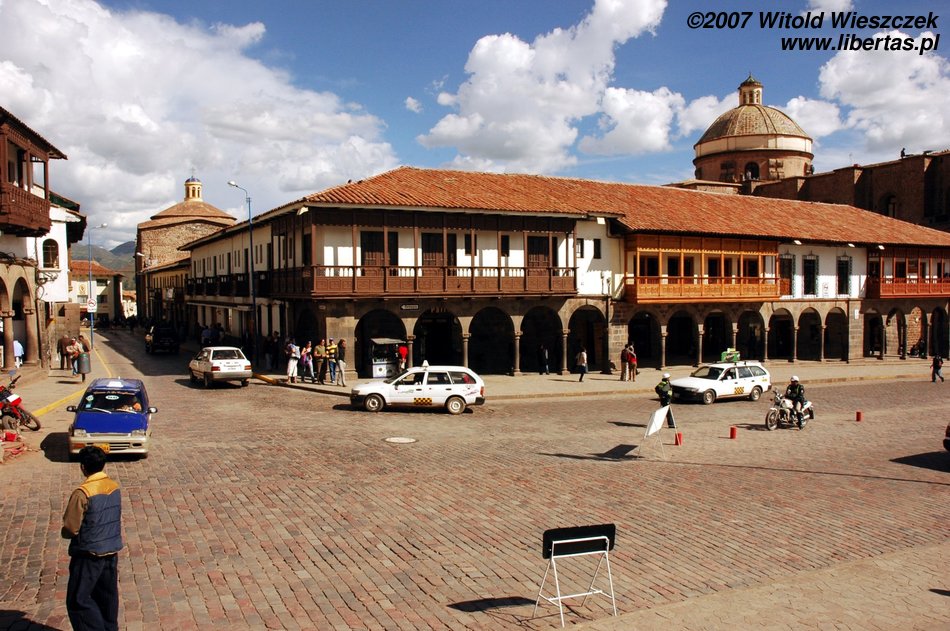
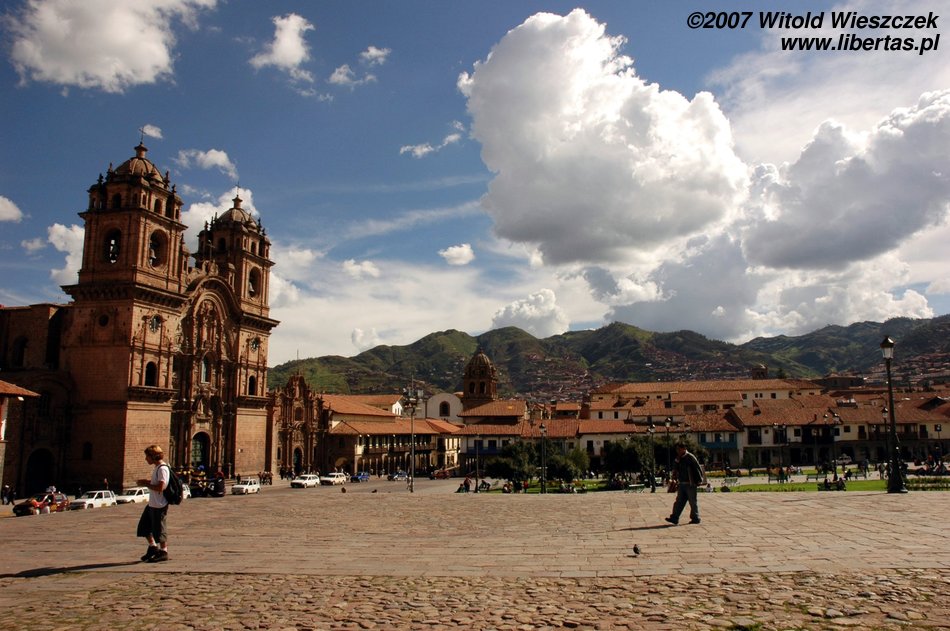
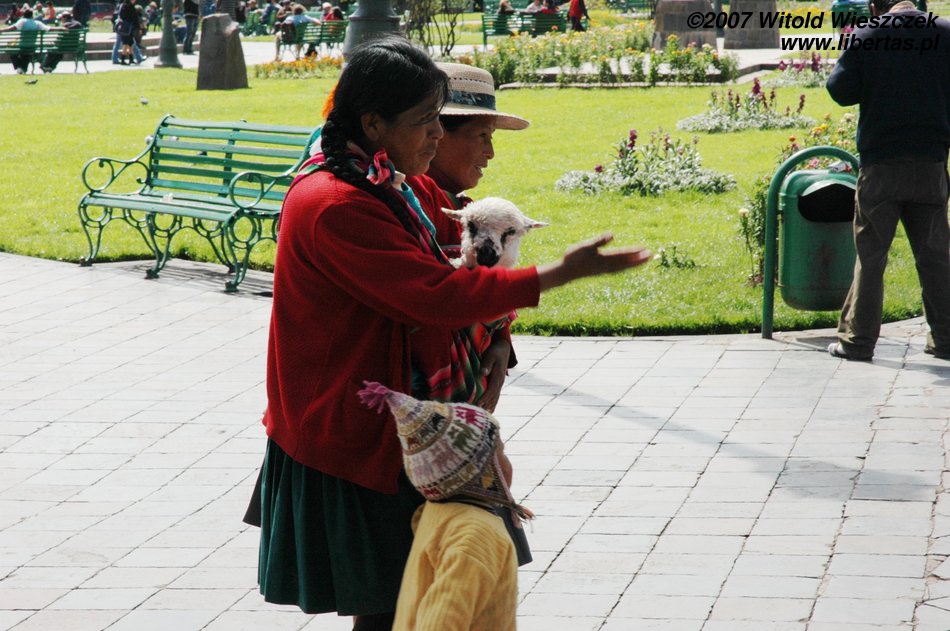

.Still, however, it’s possible to admire the craftsmanship of the Incan builders... some historic justice often brought here earthquakes which destroyed Spanish temples but the Incan foundations remained untouched. The Inca people didn’t use any mortar but matched stones so precisely that it’s impossible to put a single hair into a crevice. No earthquake can do them harm. An example of this masterpiece is a famous dodecagonal stone stuck in the walls of a palace that belonged to Inca Roca. The palace was modified by Spaniards for God-only-knows-what... My blood is up when I think that they considered themselves civilized people!



Rafting costs 25$, which is dirt-cheap; a bus takes us to Plaza de Armas, we travel for nearly two hours till we reach the river. We are given the gear, instructions for the journey (the total of 5 commands) and we barge into pontoon :). To my surprise it’s blissful. In the pontoon, apart from us, there is a captain (the only experienced person), pretty Natasha from Switzerland and some fellow I didn’t have a chance to be introduced to.
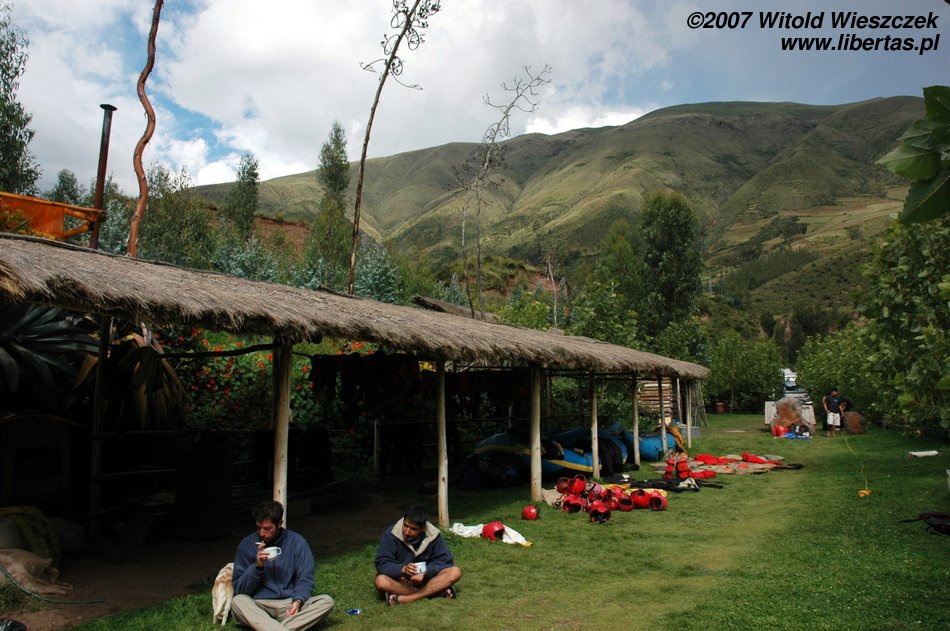

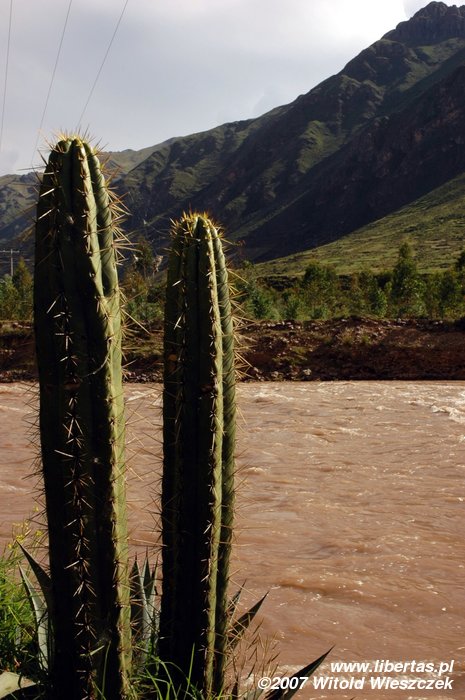
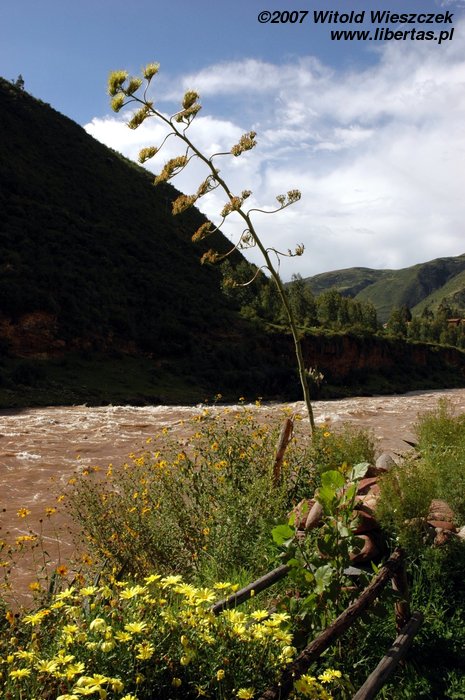
In the end we go back by bus to a station where we eat a delicious dinner and bask in the sun. Unfortunately, Natasha is from the French Canton and doesn’t understand English language at all and, as a result, it is difficult to develop our acquaintance because of the communication problems.
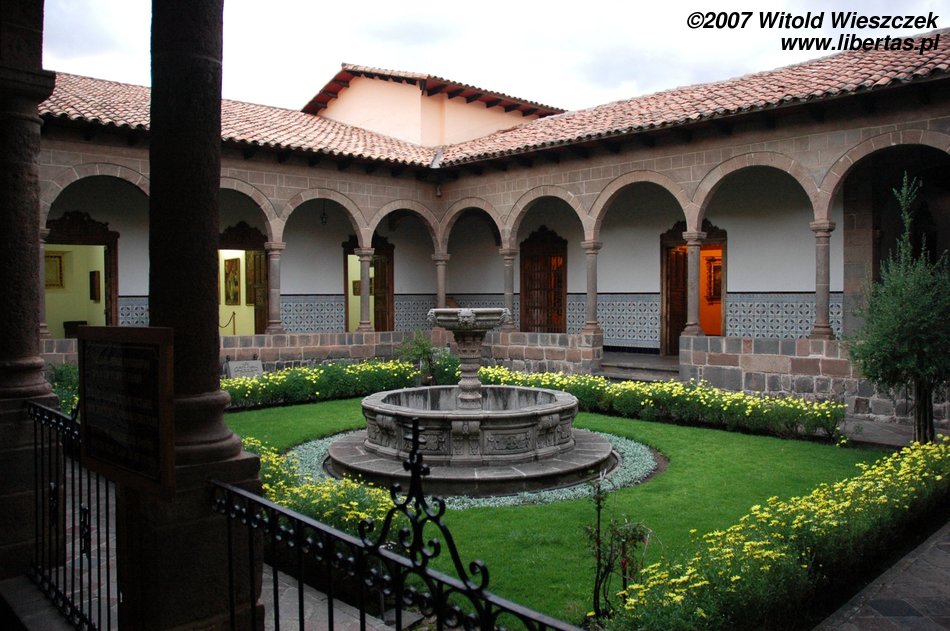
We go back to Cusco... and visit a museum. However, we show up while they are about to close but a very nice lady makes an exception and let us in; regrettably, we have 10 minutes to see everything... Our attention is riveted by a painting in which there are three Jesus Christ. I’ve never seen the Holy Trinity to be depicted in this way in the whole Europe!